ADVERTISEMENT
Villages, Waterfalls and History on the Grassington Circular Walk
There are walks in the Yorkshire Dales that stay with you long after you’ve dried your boots and made the drive home, and this Grassington circular walk is very much one of them. Taking in moorland tracks, riverside paths, field footpaths and a handful of truly special villages, it covers just over nine miles of some of the finest scenery Upper Wharfedale has to offer.
ADVERTISEMENT
I’ve walked this route in all kinds of conditions and it never disappoints. Whether you’re an experienced walker looking for a rewarding day out, or someone newer to walking who wants to explore the Dales at a gentle pace, it’s a route well worth putting in the diary.
ADVERTISEMENT
The walk starts at the Yorkshire Dales National Park car park on Hebden Road in Grassington. Before setting off, it’s well worth taking a little time to explore the town itself.
Grassington Circular Walk: Maps and Tools
Visit either the OS Maps website or the Outdooractive website to view this walking route in greater detail. Both platforms offer a range of features, including the ability to print the route, download it to your device, and export the route as a GPX file. You can also watch a 3D fly-over and share the route on social media.
Grassington: History, Character and a Warm Welcome
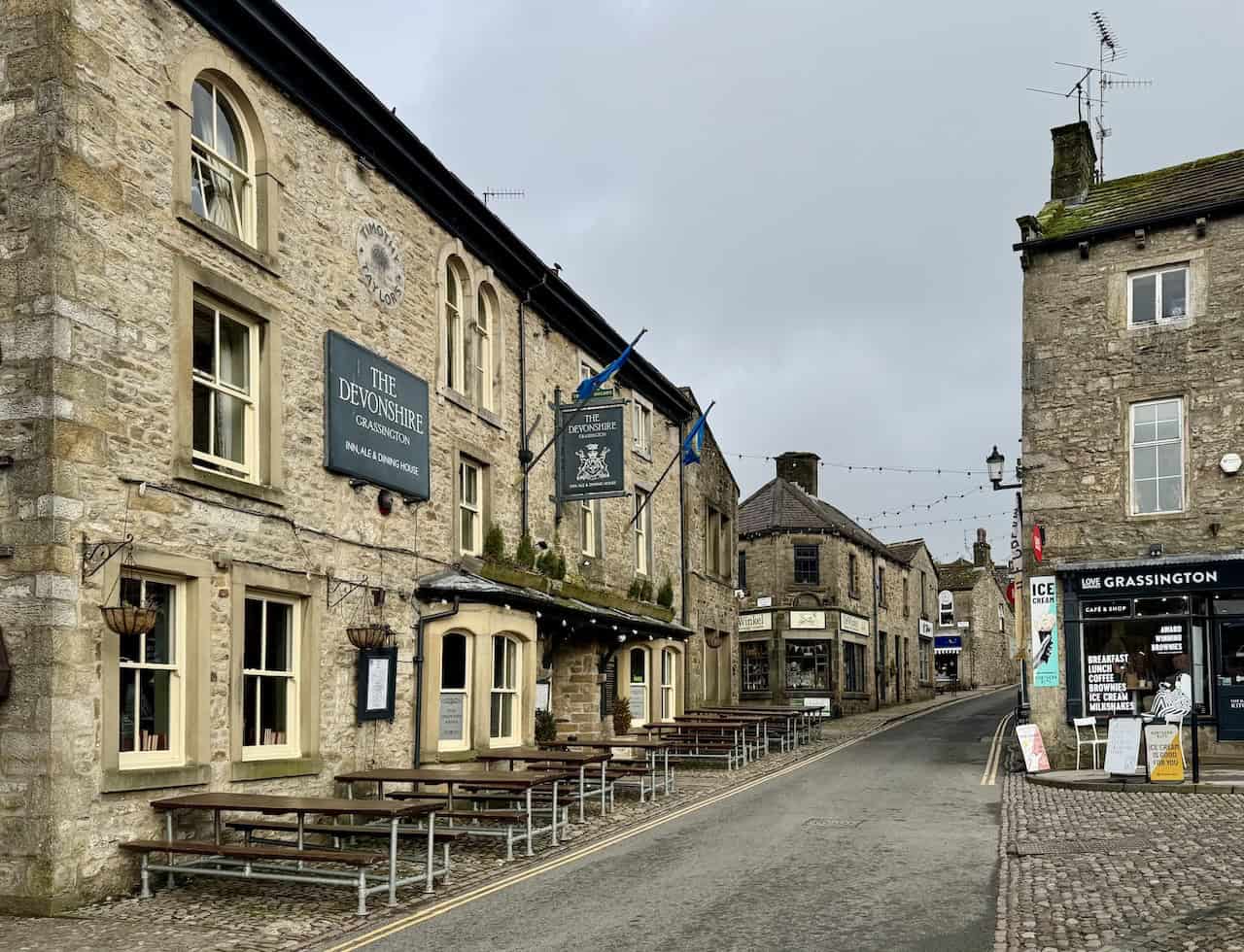
Though it feels every inch a village, Grassington is technically a market town, having been granted a Royal Charter for a market and fair as far back as 1282. Its history stretches even further than that, with evidence of settlement dating back to the Bronze Age and the Roman era. The town’s cobbled square, narrow lanes and traditional stone buildings have changed little over the centuries, giving it an atmosphere that feels genuinely rooted in the past.
ADVERTISEMENT
Lead mining played a central role in shaping Grassington, becoming increasingly important from the early 17th century onwards and bringing considerable prosperity during its heyday in the late 18th and early 19th centuries. The Grassington Folk Museum, housed in a former miner’s cottage facing the cobbled square, tells this story well, with exhibits covering lead mining, Dales farming, domestic life and much more. It’s well worth a visit if time allows.
ADVERTISEMENT
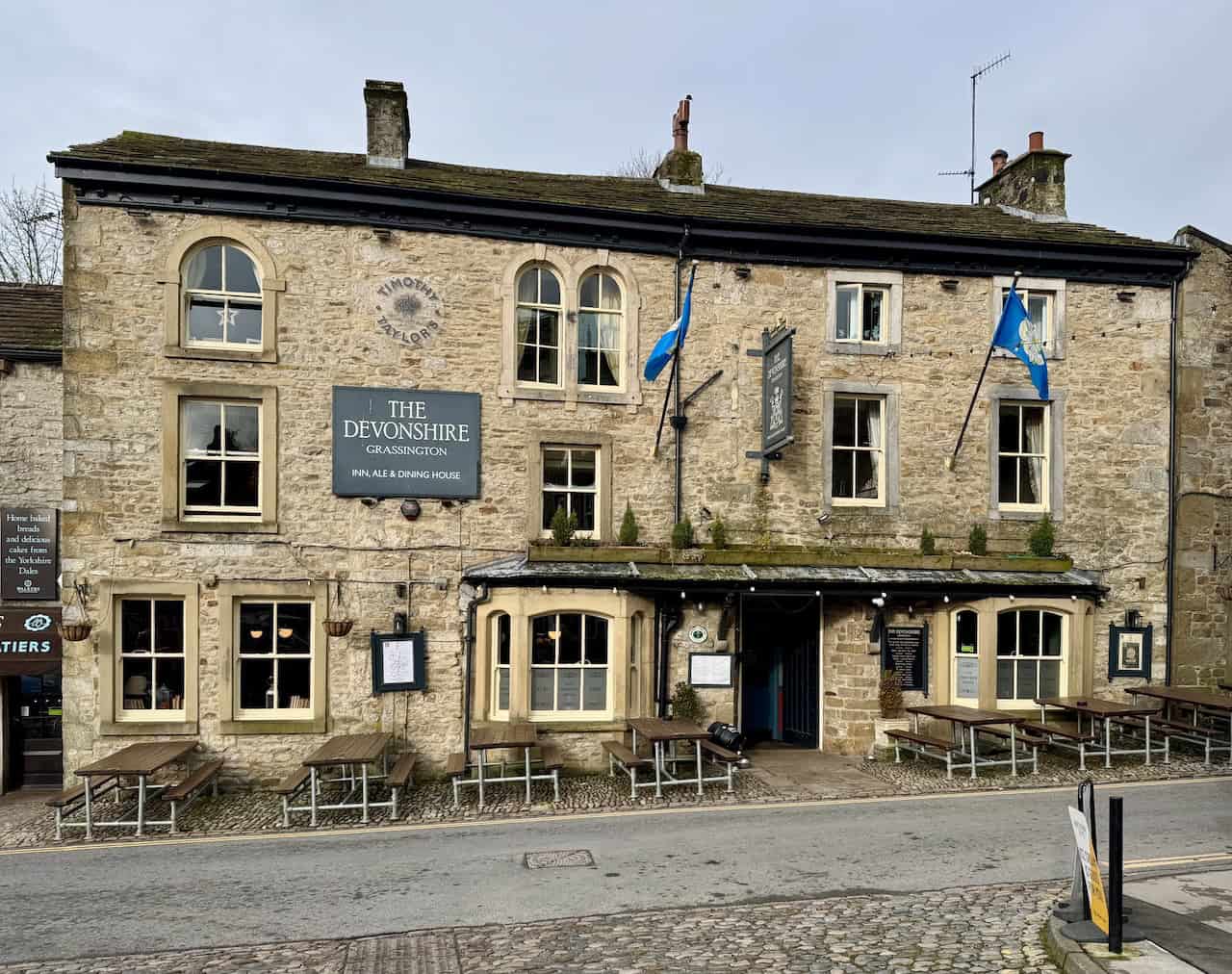
Today, Grassington offers tea rooms, pubs, restaurants, individual shops and cafés, making it a welcoming base for the walk ahead. Fans of the television series All Creatures Great and Small will also recognise it as the fictional town of Darrowby. The Devonshire Arms, which has featured in the recent series, is well worth a look as you pass through.
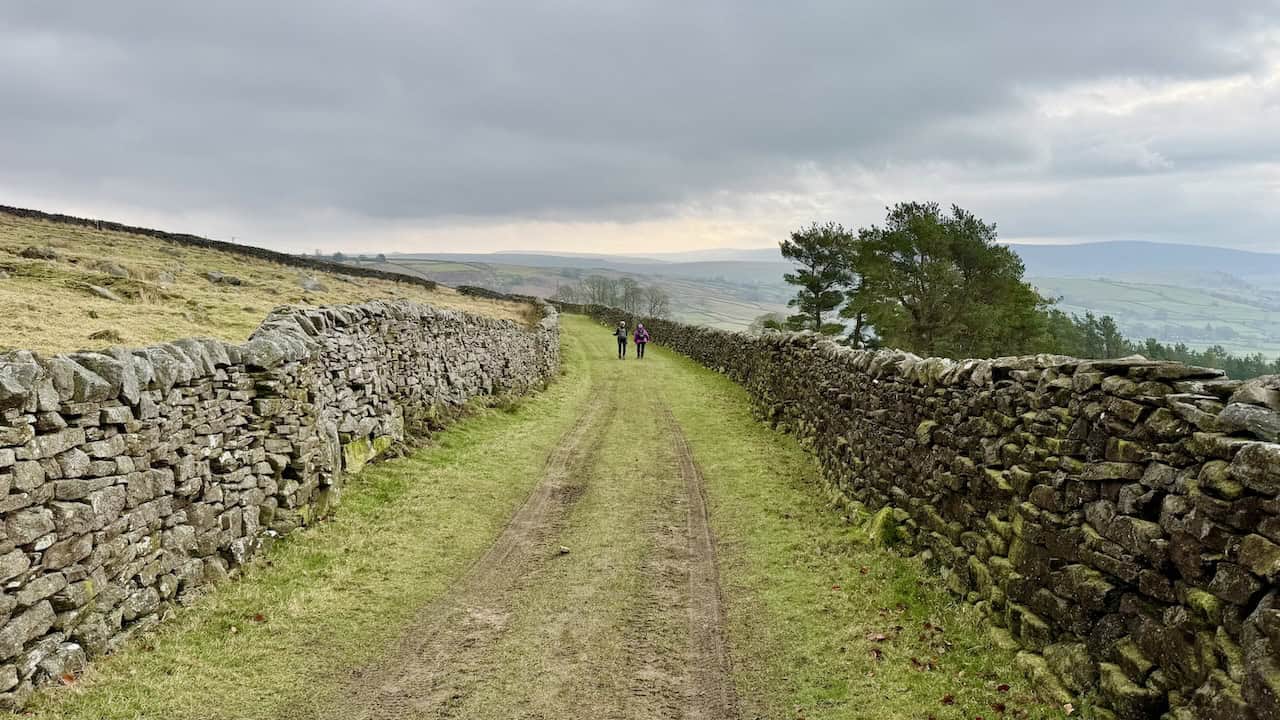
From the northern end of Grassington, this Grassington circular walk heads north-east along Moor Lane up to Spring House, then follows a track south-east called Edge Lane. This is an elevated hillside path with fine views down to Grassington, and it curls around to become a track called Tinkers’ Lane. There are a few muddy sections along the way, though that’s only to be expected in wetter months. Good boots will see you through without any trouble.
ADVERTISEMENT
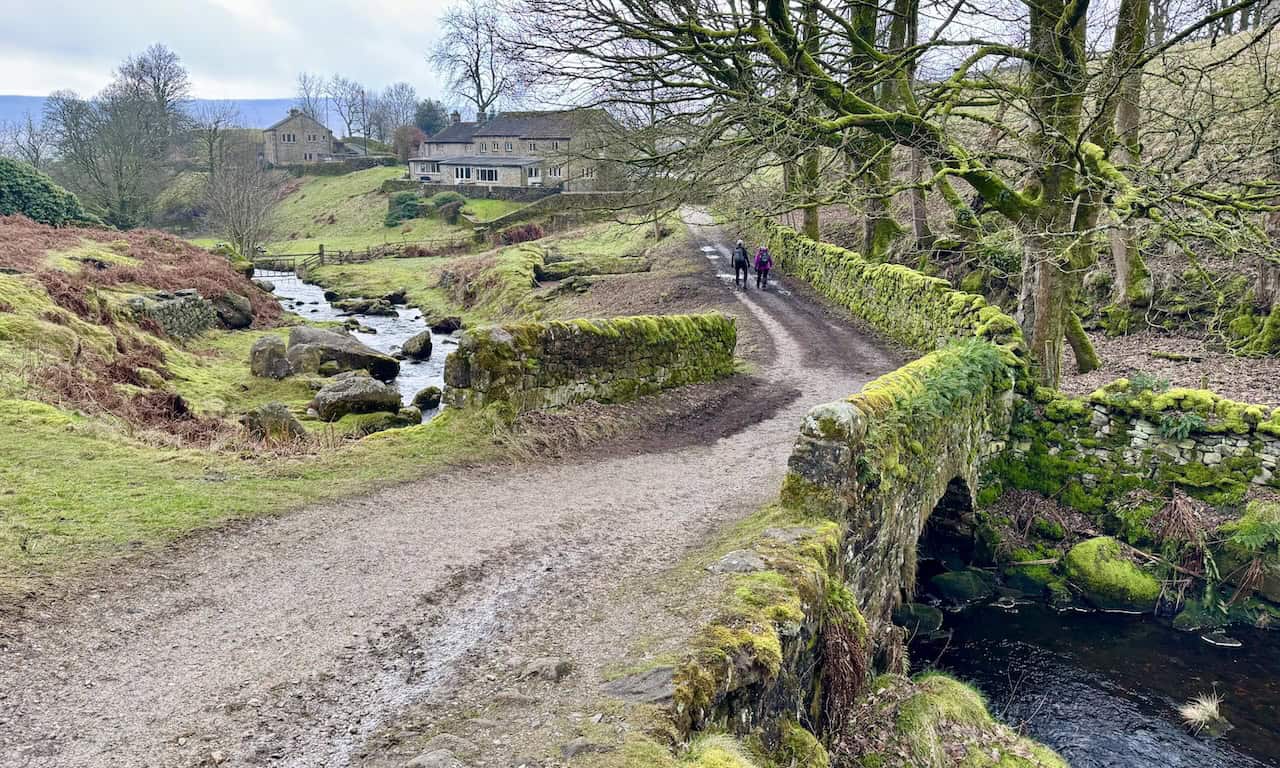
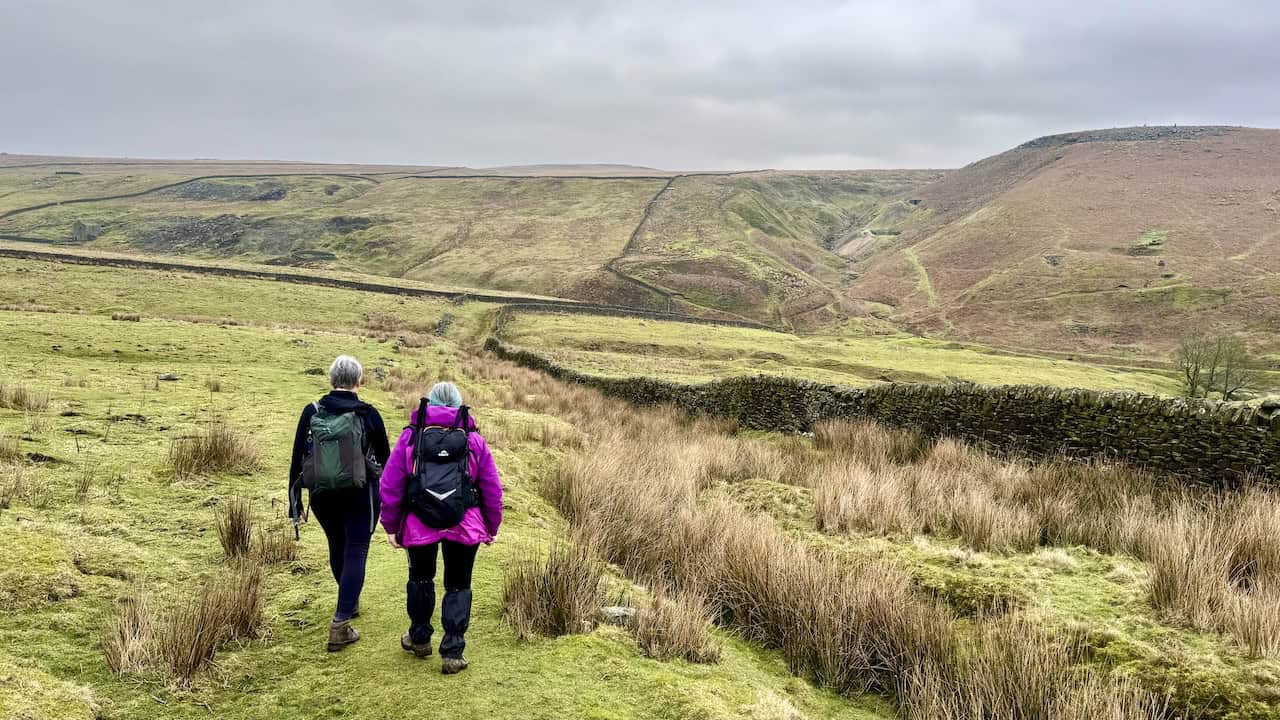
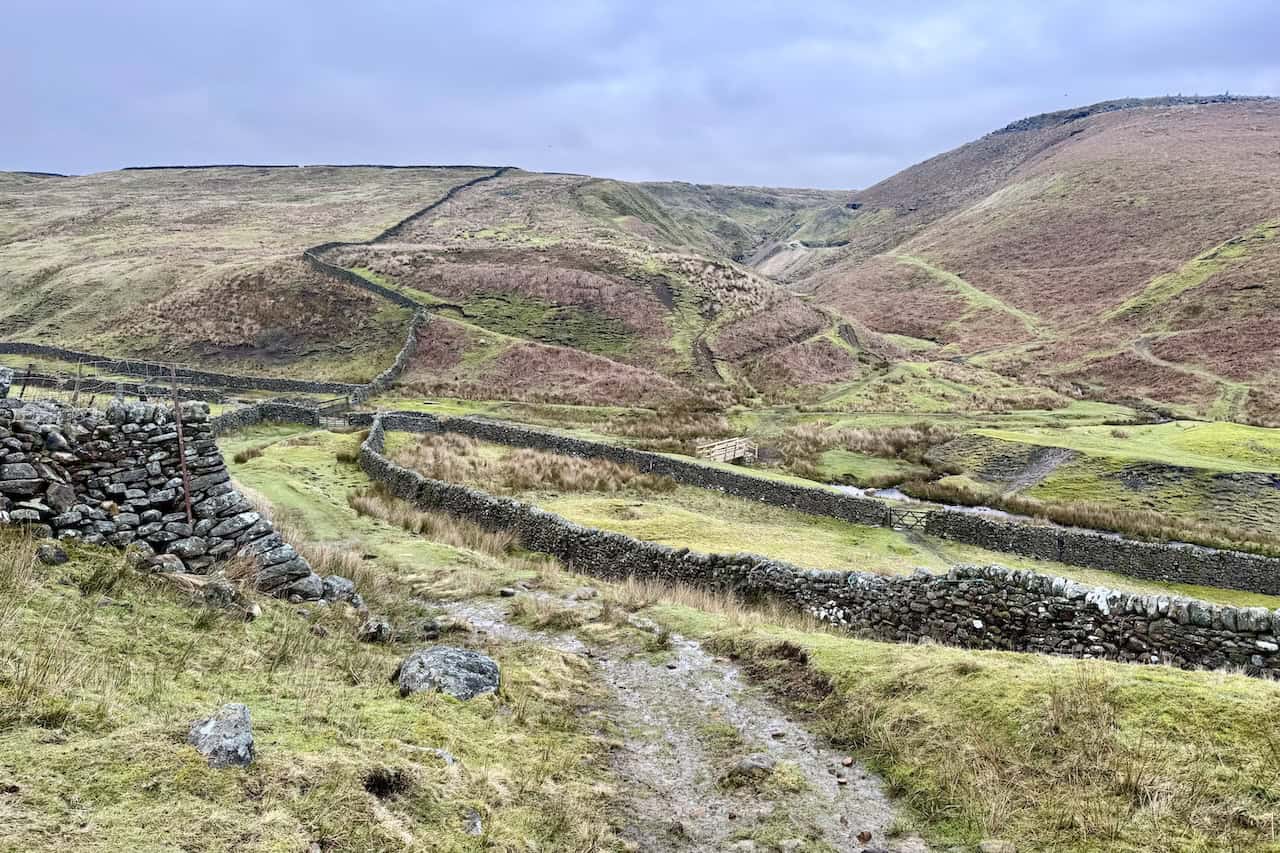
The track follows a north-easterly course before dropping down into the valley to meet Hebden Beck, where a new bridge crosses the water. It’s a wonderfully picturesque spot, and one of the first places on the route where it’s worth slowing down to take it all in.
Hebden Beck: Lead Mining Remains on the Grassington Circular Walk
Hebden Beck flows down from the peat-covered moorland above, cutting through the limestone pastures and meadows of Wharfedale before joining the River Wharfe. It’s a beautiful and peaceful valley to walk through today, but the landscape along the beck tells a very different story about its past.
ADVERTISEMENT
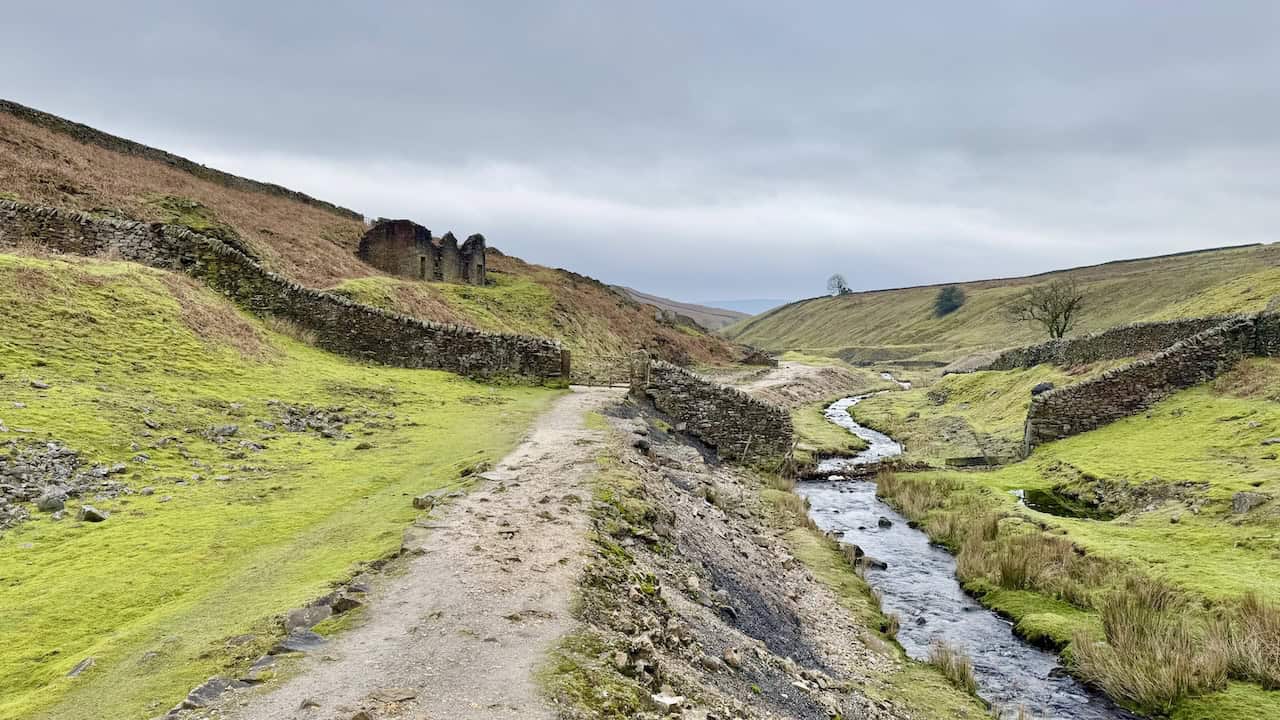
Lead mining in this area can be traced back to 1604, when the 4th Earl of Cumberland began working the mines on the moors above. Over the following centuries the industry grew considerably, and more than 20,000 tons of lead were excavated from Grassington Moor between 1821 and 1861 alone. At the height of the industry, the village of Hebden supported a population of around 500 people. The majority of depended on mining for their livelihoods.
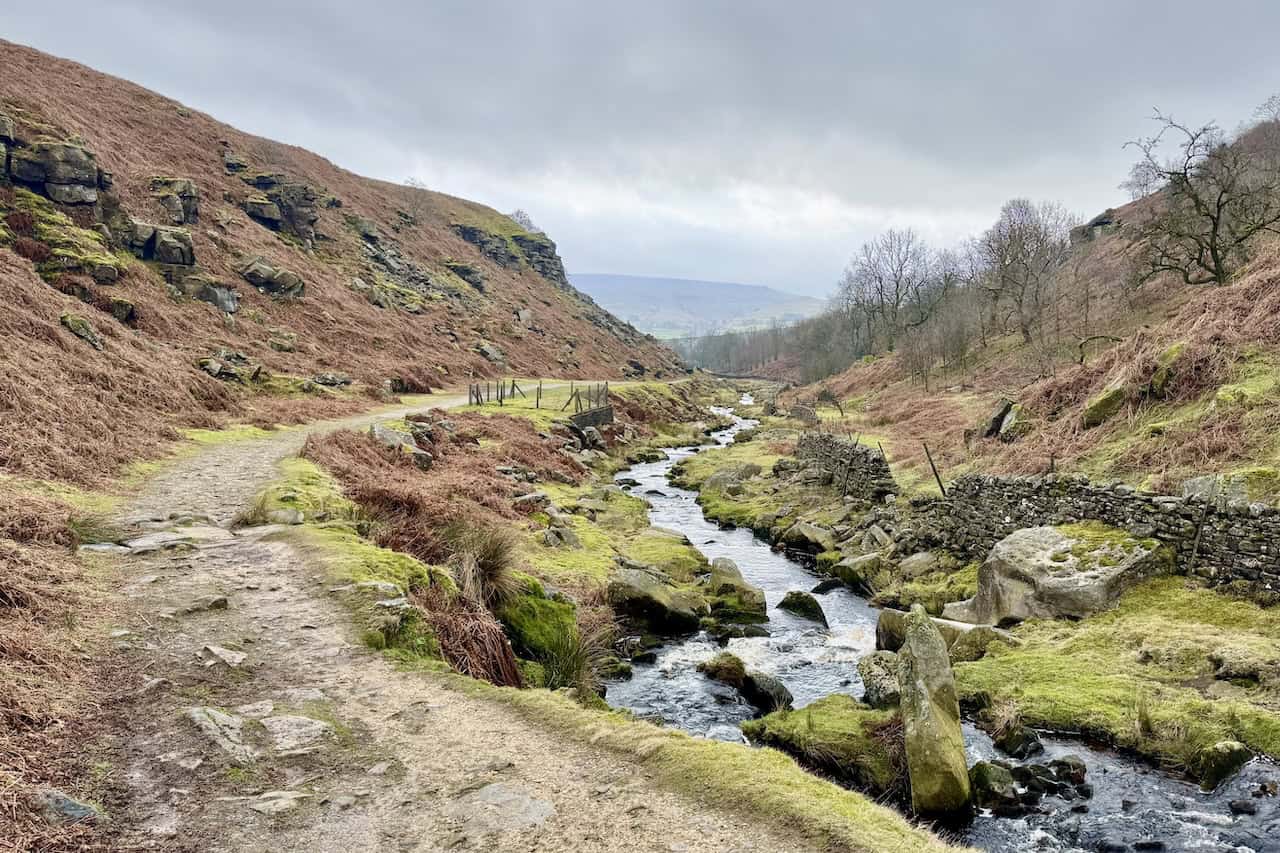
As you follow the course of the beck, the remains of the old lead mine workings are clearly visible on the hillsides. The surviving remains include mine shafts, settling tanks, washing floors, wheel pits and adit entrances, as well as the stone footings for the pillars that once supported an aerial ropeway used to carry ore down to the dressing floors. It’s a fascinating glimpse into an industrial past that sits in striking contrast to the tranquillity of the valley today.
ADVERTISEMENT
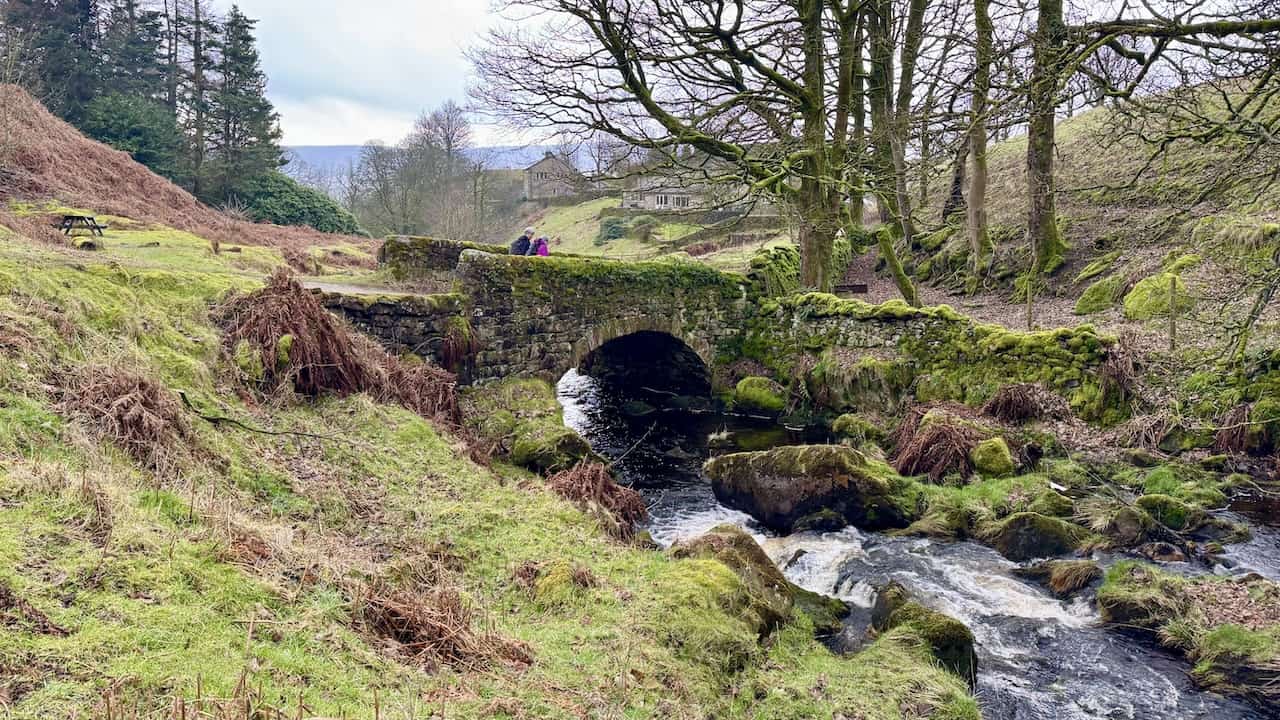
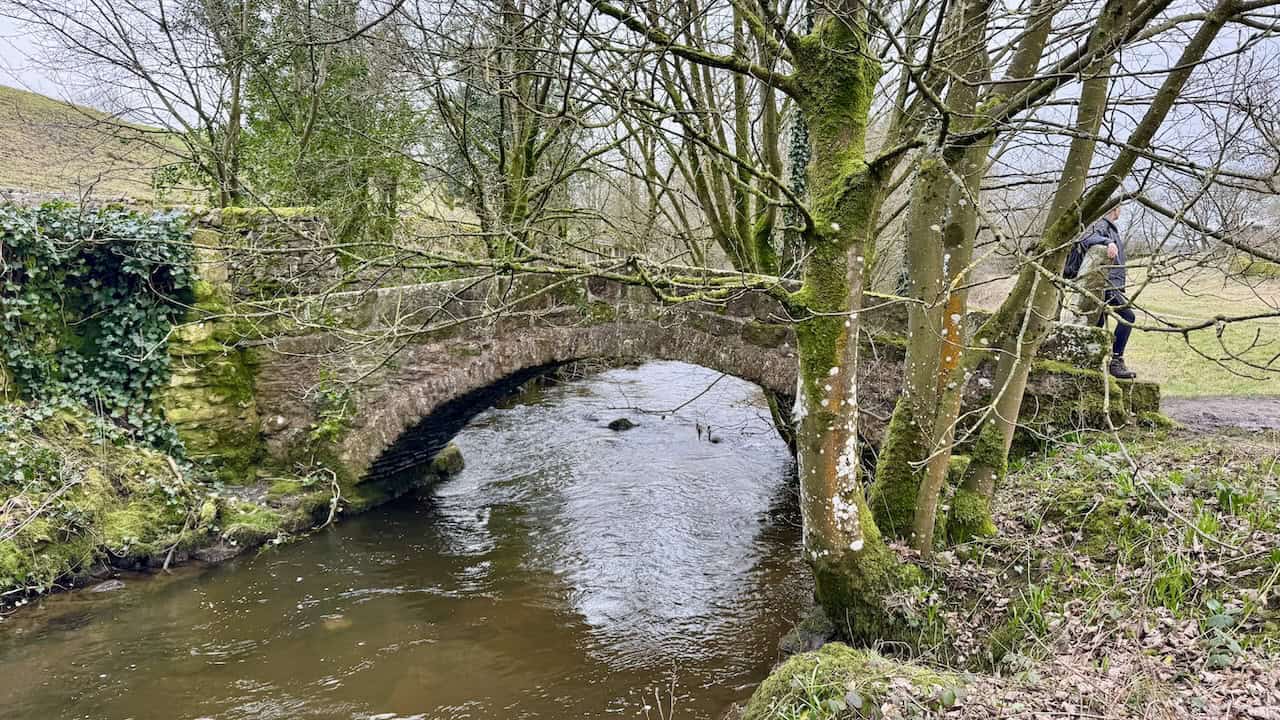
The path continues along the course of the beck before crossing a beautiful moss-covered stone-arched bridge towards Hole Bottom, a charming little hamlet. Continuing south through Hole Bottom, the route follows the quiet tarmac lane into Hebden.
Hebden: A Charming Conservation Village
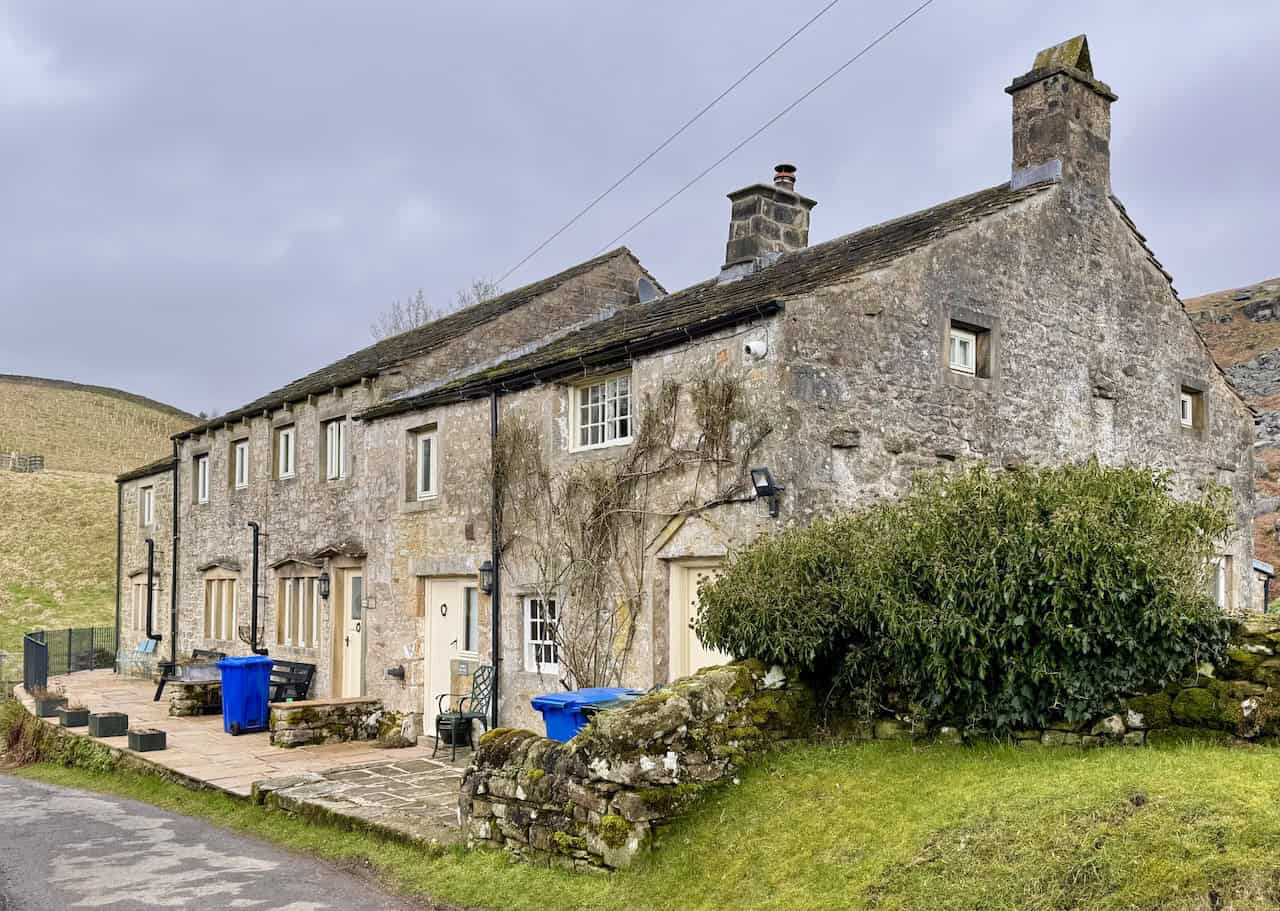
Hebden is a small village sitting where Hebden Beck emerges from the moorland above to meet the limestone pastures of Wharfedale. It has been designated a conservation area by the Yorkshire Dales National Park Authority, and it’s easy to see why. Its traditional stone buildings and quiet streets give it a genuinely unspoilt character.
There has been settlement here since at least the Bronze Age. A number of silver coins found in a field close to the village suggest a Roman presence in the area somewhere between 30 and 170 AD. In more recent centuries the village was shaped significantly by the lead mining industry on the moors above. The prosperity that mining brought gave rise to considerable redevelopment during the 19th century, with much of Main Street, the village school and the Methodist Chapel all dating from this period.
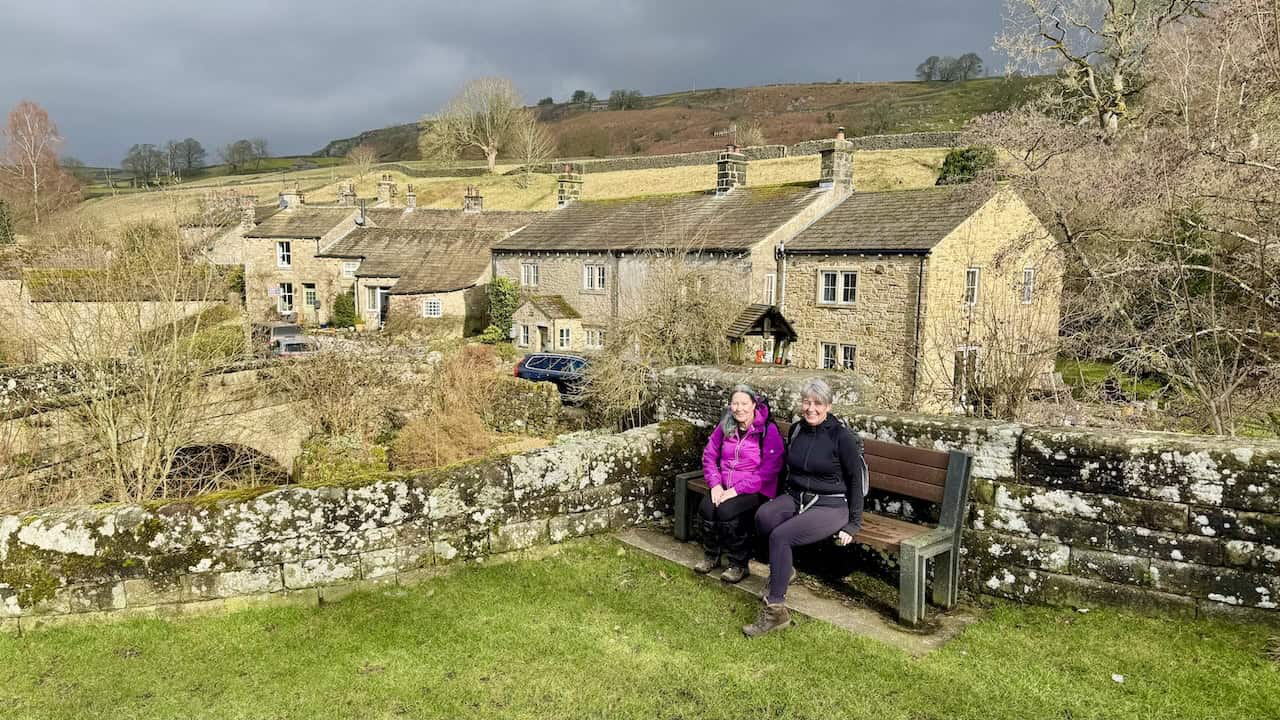
Today Hebden is a peaceful and welcoming place, popular with walkers and cyclists exploring Upper Wharfedale and other Grassington circular walks.
ADVERTISEMENT
The Old School Tea Room, Hebden
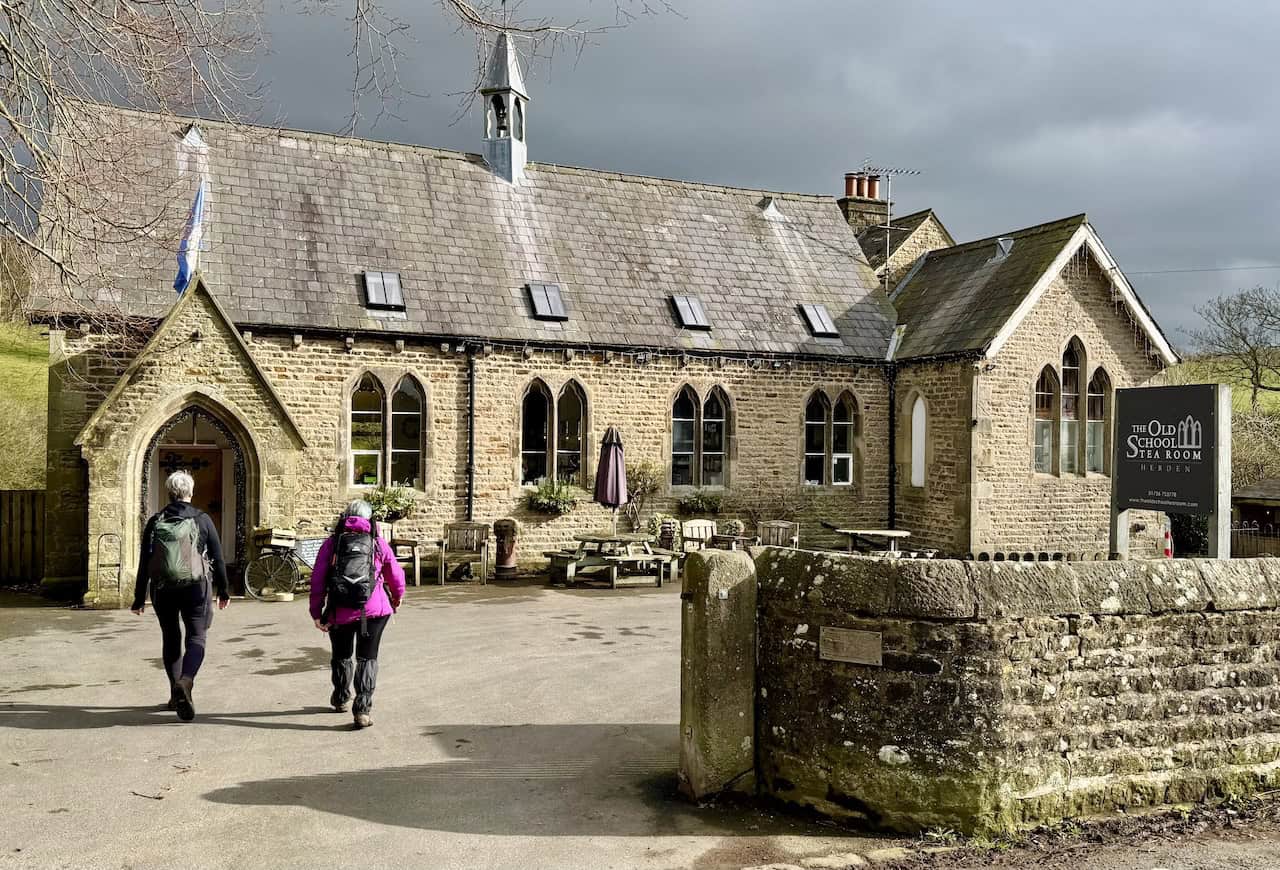
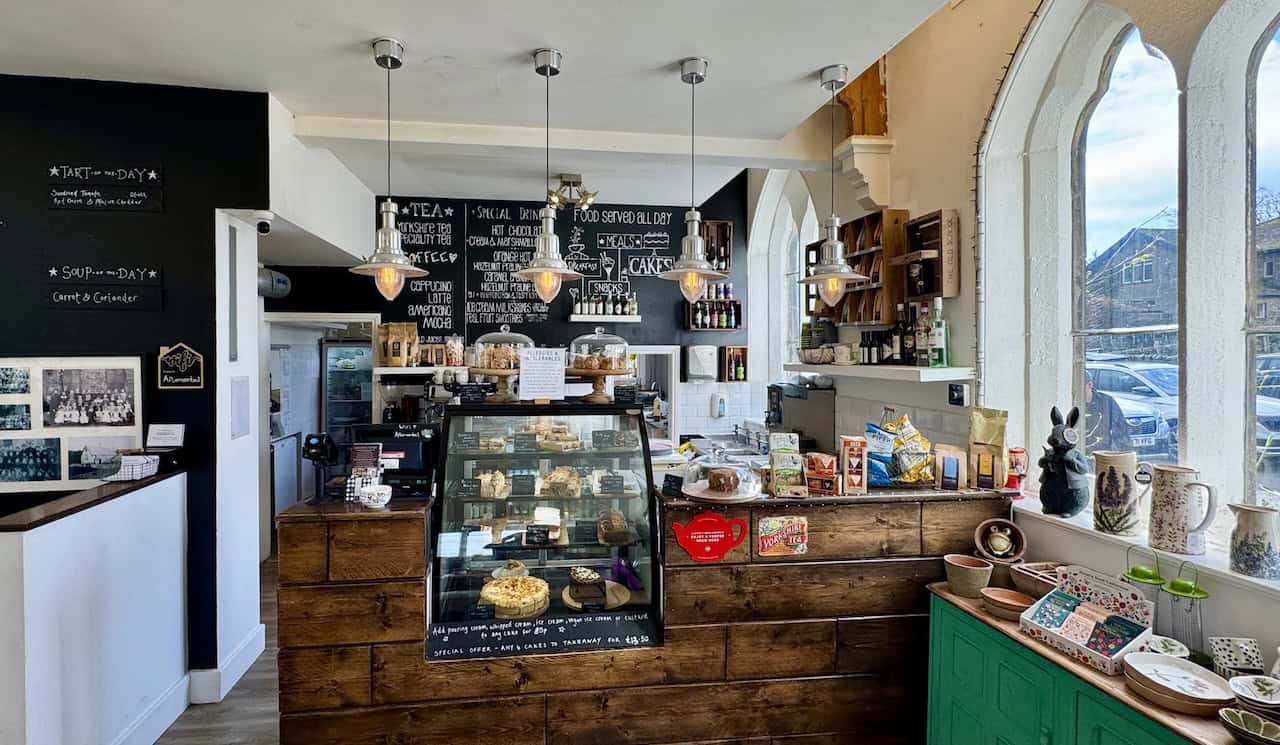
On Main Street, The Old School Tea Room is a stop that comes highly recommended and is very easy to love. It’s housed in a charming old school building dating from 1874. It offers a selection of delicious home-made dishes and cakes using locally sourced ingredients, as well as snacks, salads and takeaways. There’s also a craft and gift shop on site. Outside, a tea garden offers a lovely spot to relax whilst watching the rare breed hens and resident Pygmy goats go about their business. It’s a thoroughly welcoming place and one of the highlights of the entire route.
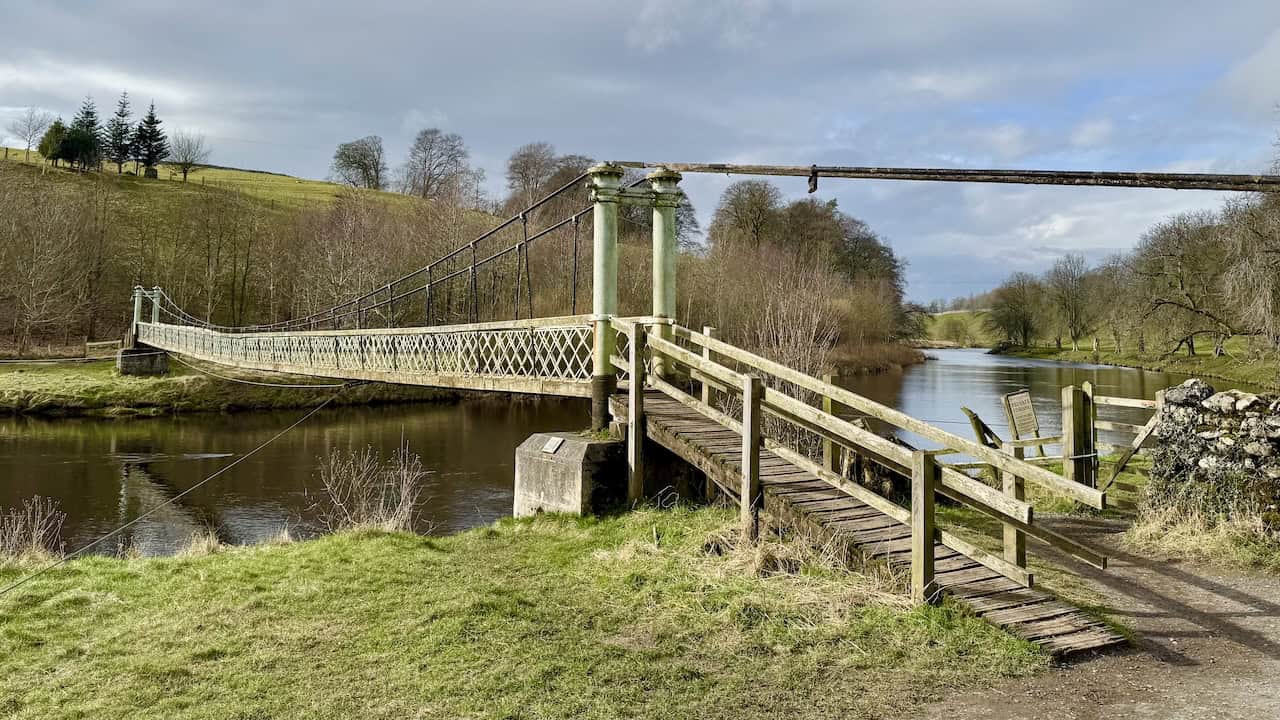
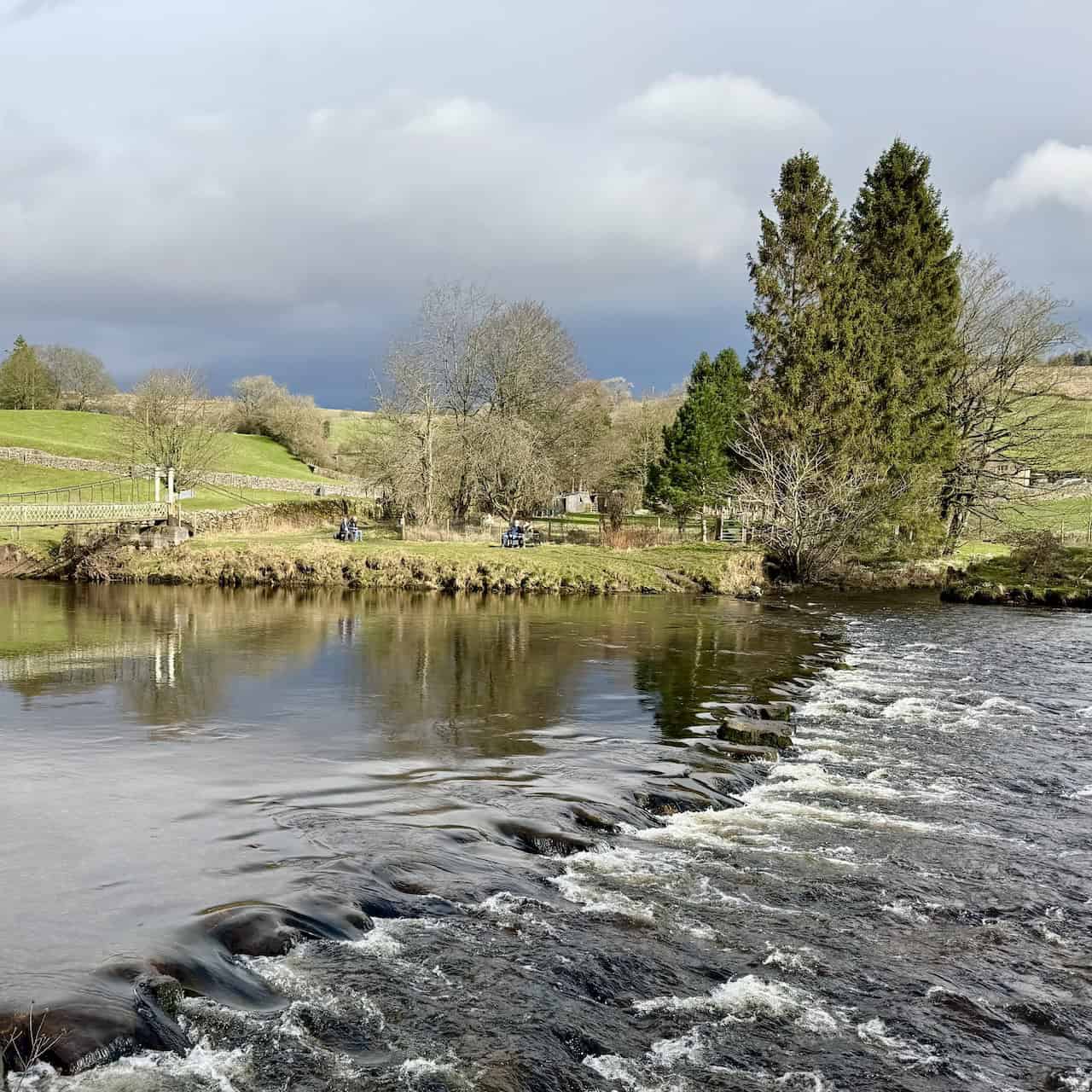
Through a kissing gate, the route drops down into the valley and crosses Hebden Beck next to the weir, then heads south to cross the River Wharfe via Hebden Suspension Bridge. The river can also be crossed using the adjacent stepping stones. It’s worth bearing in mind that the stepping stones may not always be passable, particularly after heavy rainfall when the water level is high.
Crossing the River Wharfe on the Grassington Circular Walk
The River Wharfe originates within the Yorkshire Dales National Park, where it first becomes known as the Wharfe at the confluence of Greenfield Beck and Oughtershaw Beck at Beckermonds. It then flows through Langstrothdale before passing Kettlewell, Grassington, Bolton Abbey, Ilkley, Otley, Wetherby and Tadcaster, eventually joining the River Ouse near Cawood. At 65 miles in length, it’s the 21st longest river in Britain.
ADVERTISEMENT
The name Wharfe appears to derive from the Old Norse word meaning “a bend, crook or turn”, suggesting a winding river, though it may have its roots in an even earlier Brythonic name. A Roman altar found at Ilkley is inscribed with a dedication apparently referring to the river, personified as the goddess Verbeia. The valley through which it flows, Wharfedale, is one of the most celebrated of all the Yorkshire Dales, and the stretch you encounter on this walk, with its limestone pastures, riverside paths and views across the valley, is amongst its finest.
Hebden Suspension Bridge: A Victorian Landmark
The bridge was built in 1885 by local blacksmith William Bell and paid for by public subscription. Made of recycled materials, it originally had a central supporting pier that was removed when the span was raised in 1937 after being damaged in a heavy flood; the base of the pier can still be seen at low water. The steel rope used in its construction was bought from the Hebden Moor Mining Company, and its grand opening was celebrated with a brass band and a public tea. The bridge has been conserved and refurbished several times over the years and remains a well-loved landmark on the riverside path. It’s a thoroughly enjoyable crossing, with a tendency to sway gently underfoot that adds considerably to the experience.
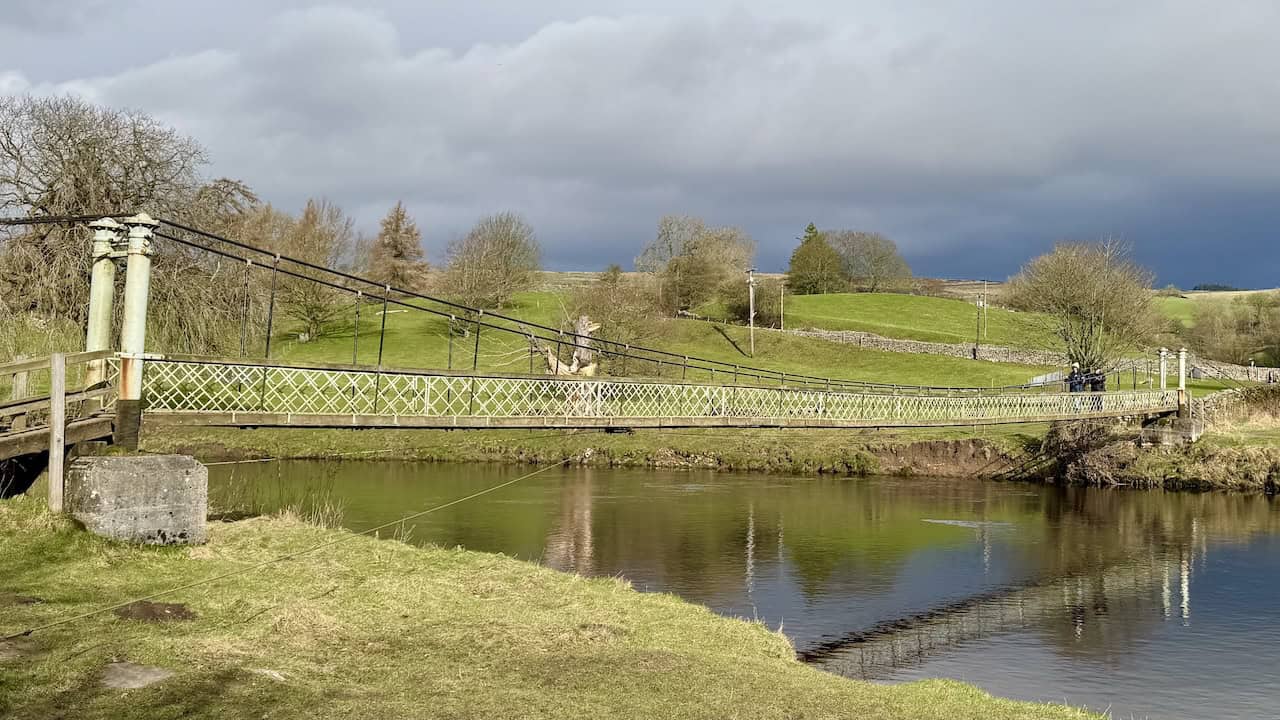
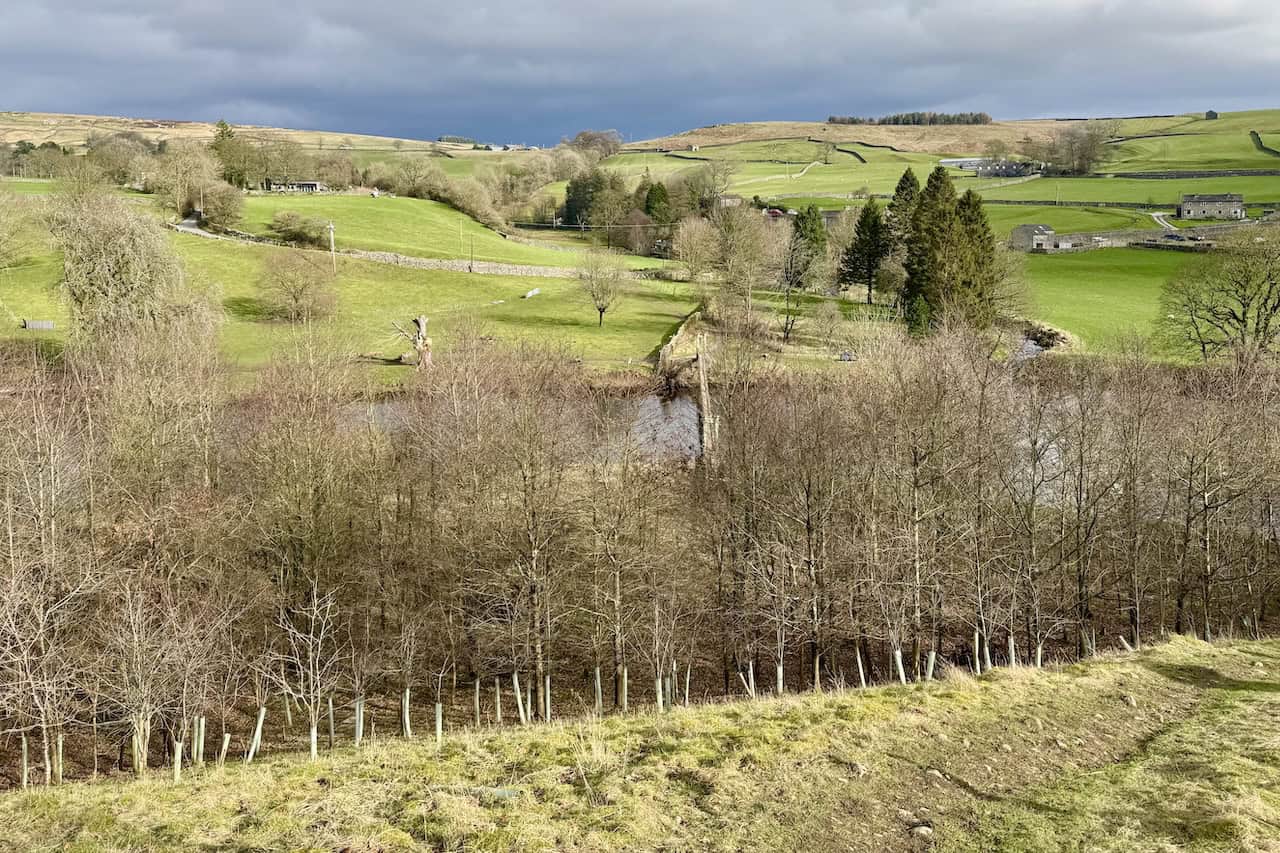
From the bridge, the route heads uphill in a south-westerly direction across fields, crosses the B6160, then follows a minor road down into the village of Thorpe.
ADVERTISEMENT
Thorpe: A Hidden Gem on the Grassington Circular Walk
Thorpe is a hamlet and civil parish in Wharfedale, sitting at an elevation of around 725 feet and surrounded by reef knolls, particularly Elbolton Hill to the west and Kail Hill to the east. Its name derives from the Old Norse word þorp, meaning “outlying farmstead”, and the hamlet is mentioned in the Domesday Book as belonging to Osborn of Arques.
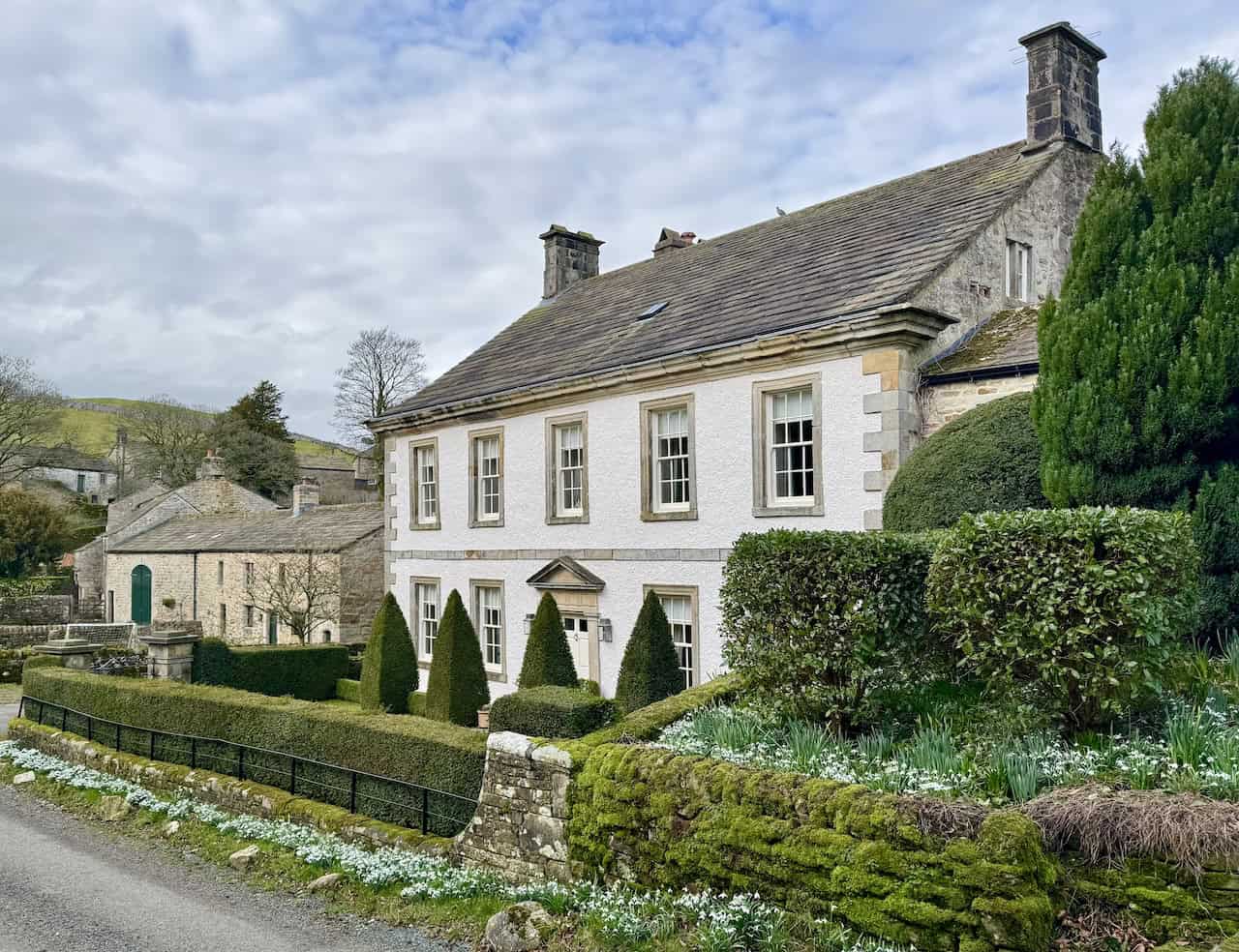
The hamlet’s secluded setting, sheltered by the hills around it, apparently meant that Thorpe remained unaffected by Scottish raiders and was the place that local people retreated to in order to escape troops engaged in the English Civil War. It’s a remarkably quiet and unspoilt place, with a lovely village green that makes it a natural spot to stop for lunch. Amongst its many traditional farmhouses and barns, Thorpe also historically had a surprisingly large community of cobblers.
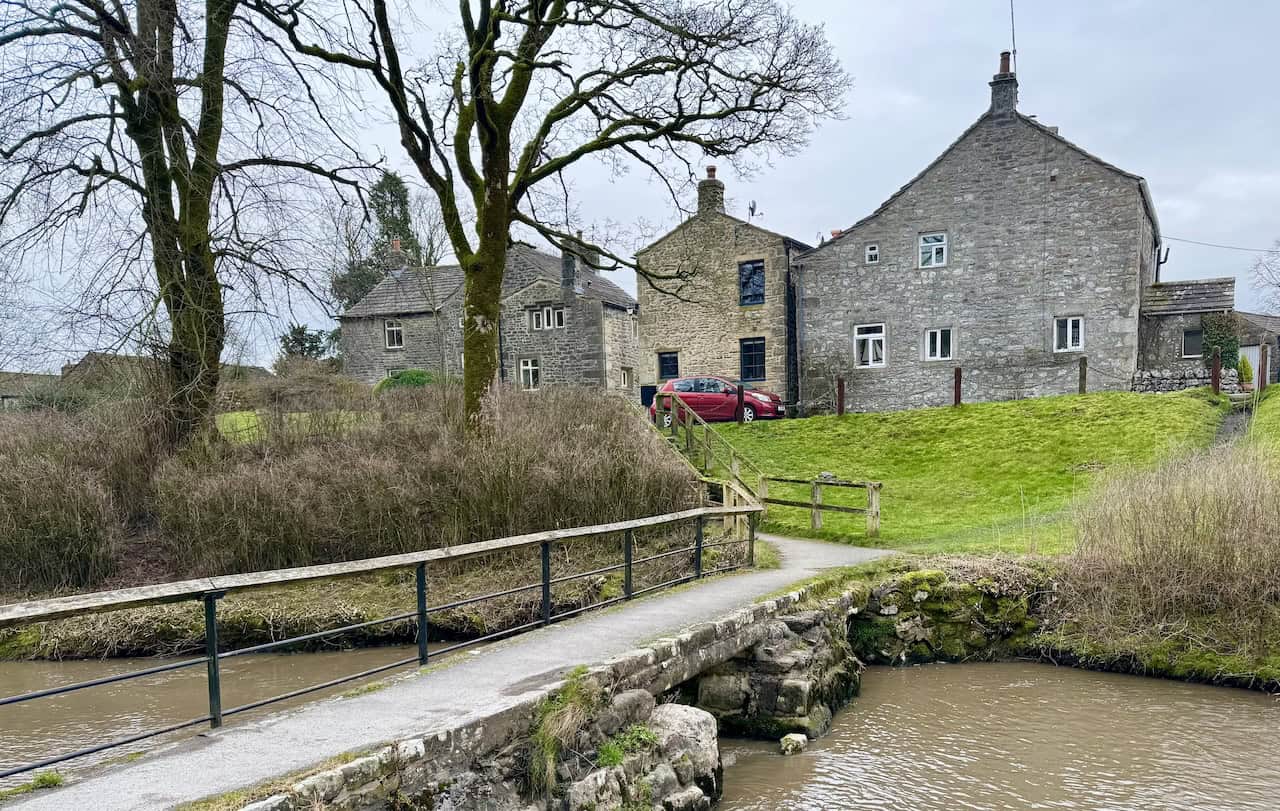
From Thorpe, the route heads west along Thorpe Lane before taking a public footpath north-west across fields and farmland to reach Linton. It’s well worth taking your time here, as Linton is a village that richly rewards a leisurely explore.
ADVERTISEMENT
Linton: One of Wharfedale’s Most Beautiful Villages
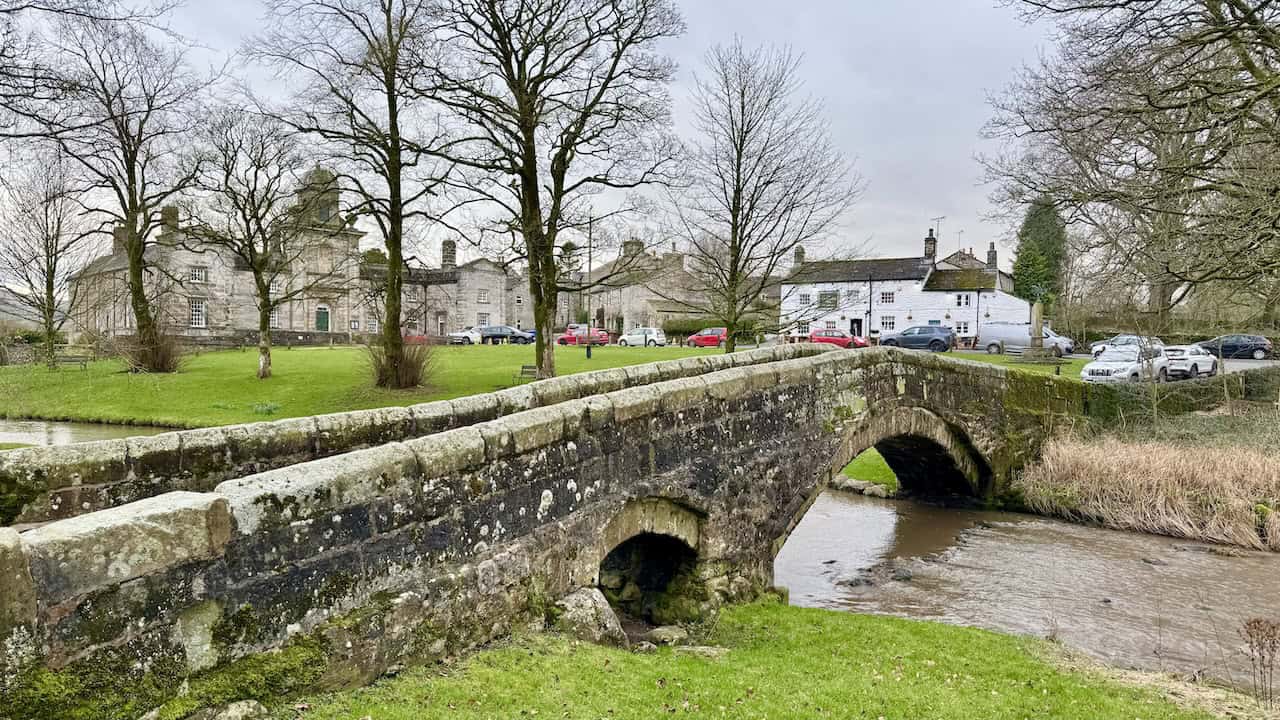
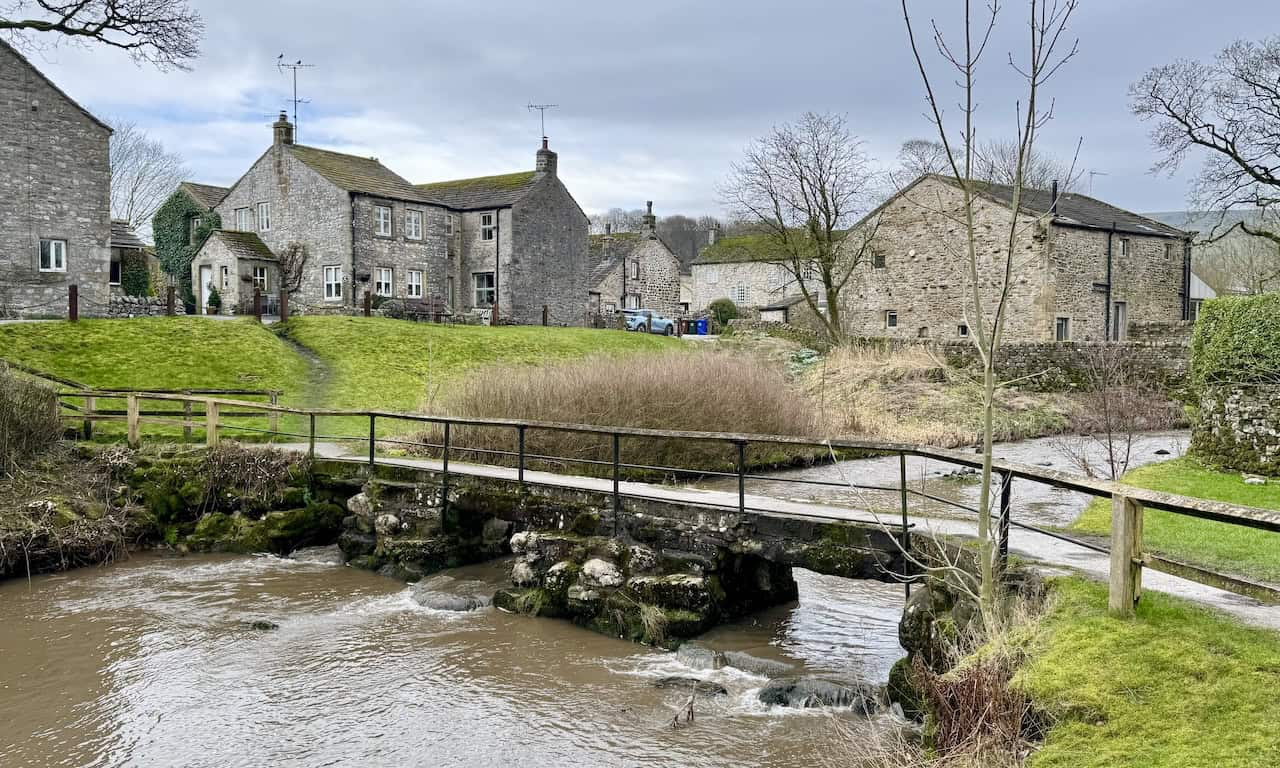
Linton is a village and civil parish in North Yorkshire, lying just south of the River Wharfe and not far from Grassington. Its name derives from the Old English līntūn, meaning “settlement growing with flax”. Linton Beck runs through the village before joining the Wharfe at Linton Falls, and the beck is crossed by two Grade II listed stone-arched bridges on the village green. Each has its own individual character, and together they make for one of the most photographed scenes in Upper Wharfedale.
Fountaine’s Hospital: A Baroque Masterpiece in the Dales
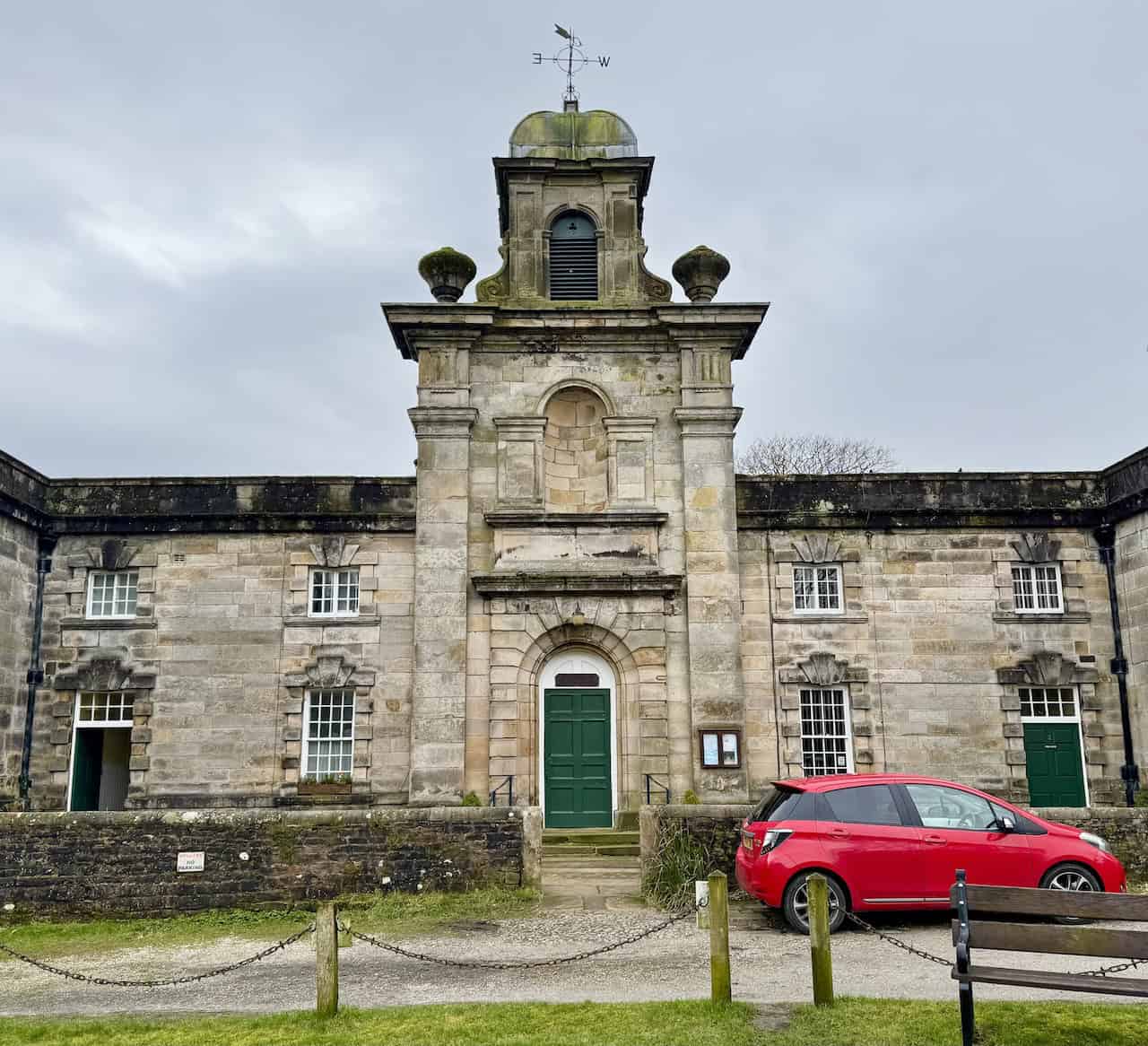
Overlooking the village green is one of the most unexpected and remarkable buildings in the Yorkshire Dales. Fountaine’s Hospital was built as an almshouse using a legacy from Richard Fountaine, who was born in Linton in 1639 and made a fortune in London as a haberdasher. The almshouses were built in 1721 and their design has been ascribed to Sir John Vanbrugh or Nicholas Hawksmoor, though the true architect remains uncertain.
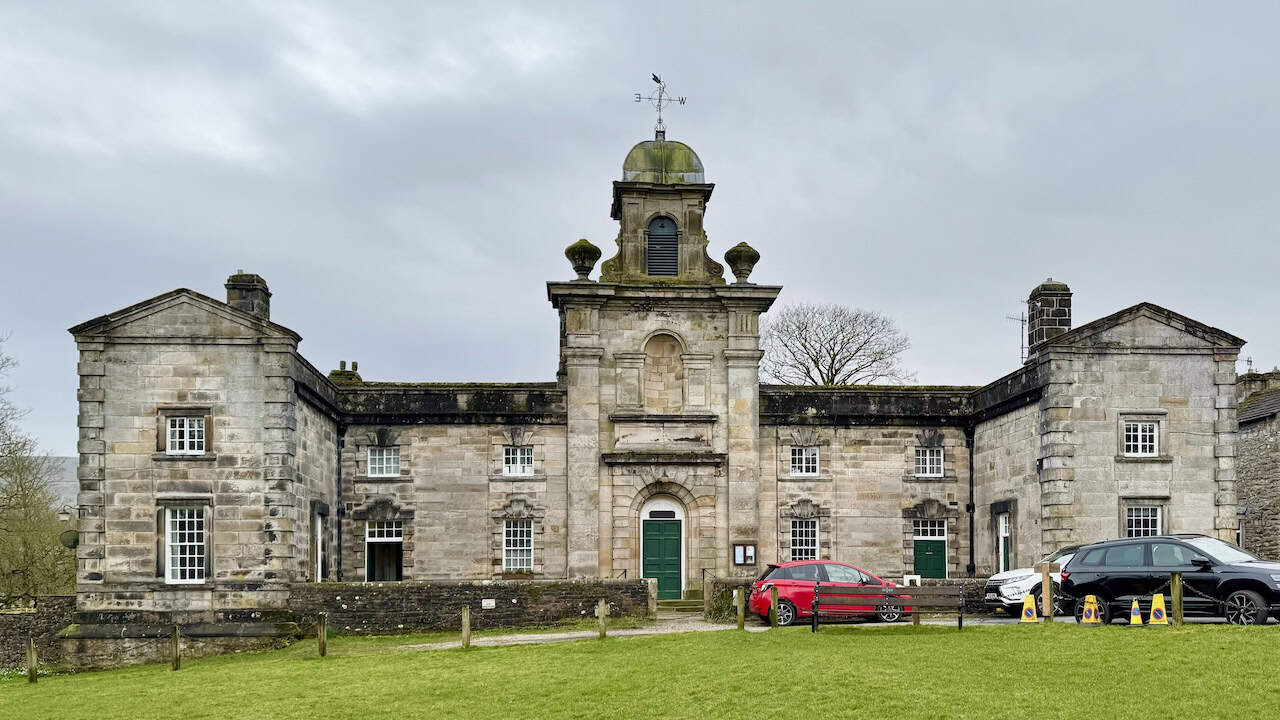
The result is a grand baroque building, quite extraordinary in its rural setting, with Doric pilasters, large stone urns as finials and a lead cupola on top. It remains in use to this day, housing local elderly residents, and the chapel at its centre is open to visitors. It is, quite simply, one of the finest surprises the Yorkshire Dales has to offer.
ADVERTISEMENT
The Fountaine Inn: A Very Welcome Stop
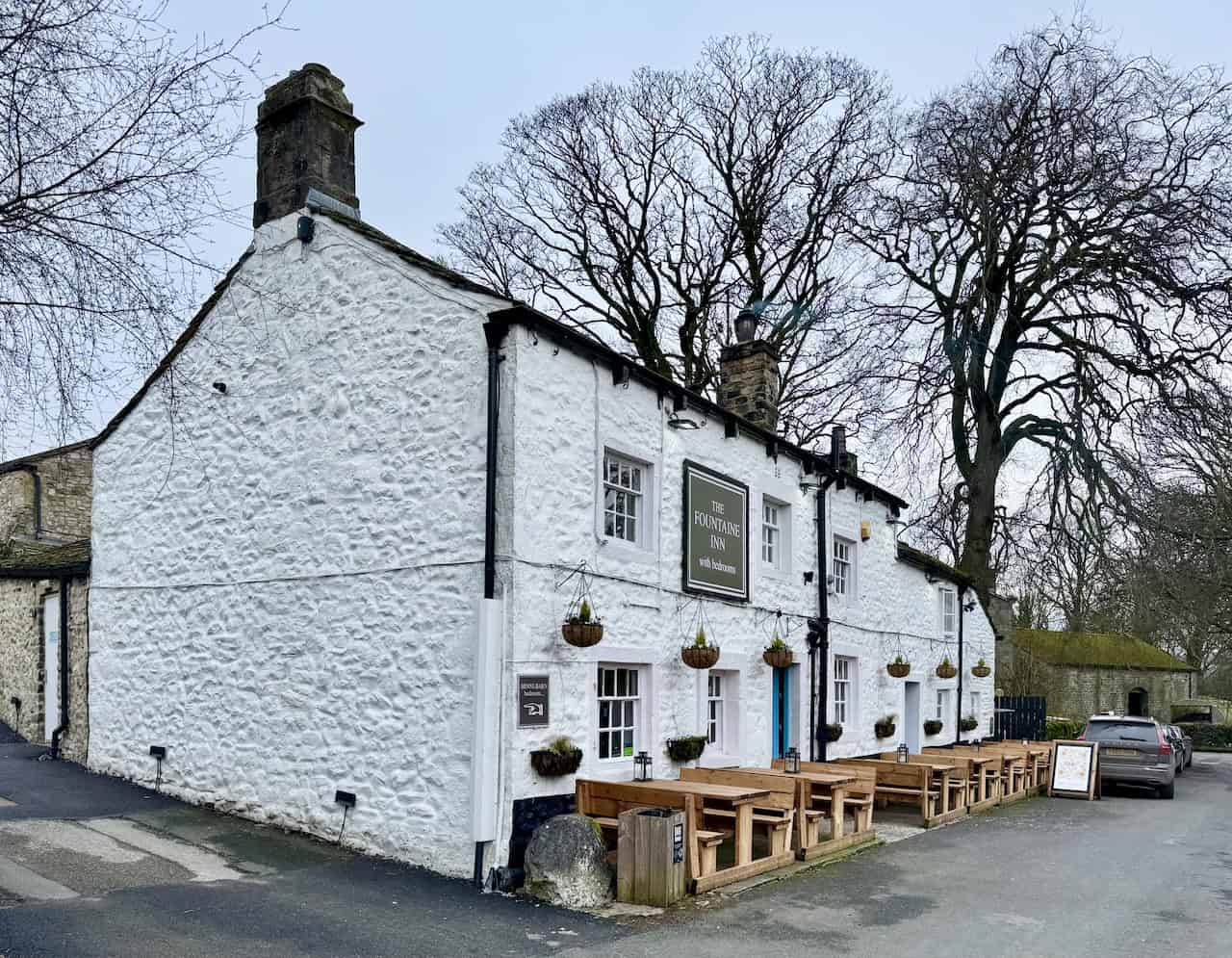
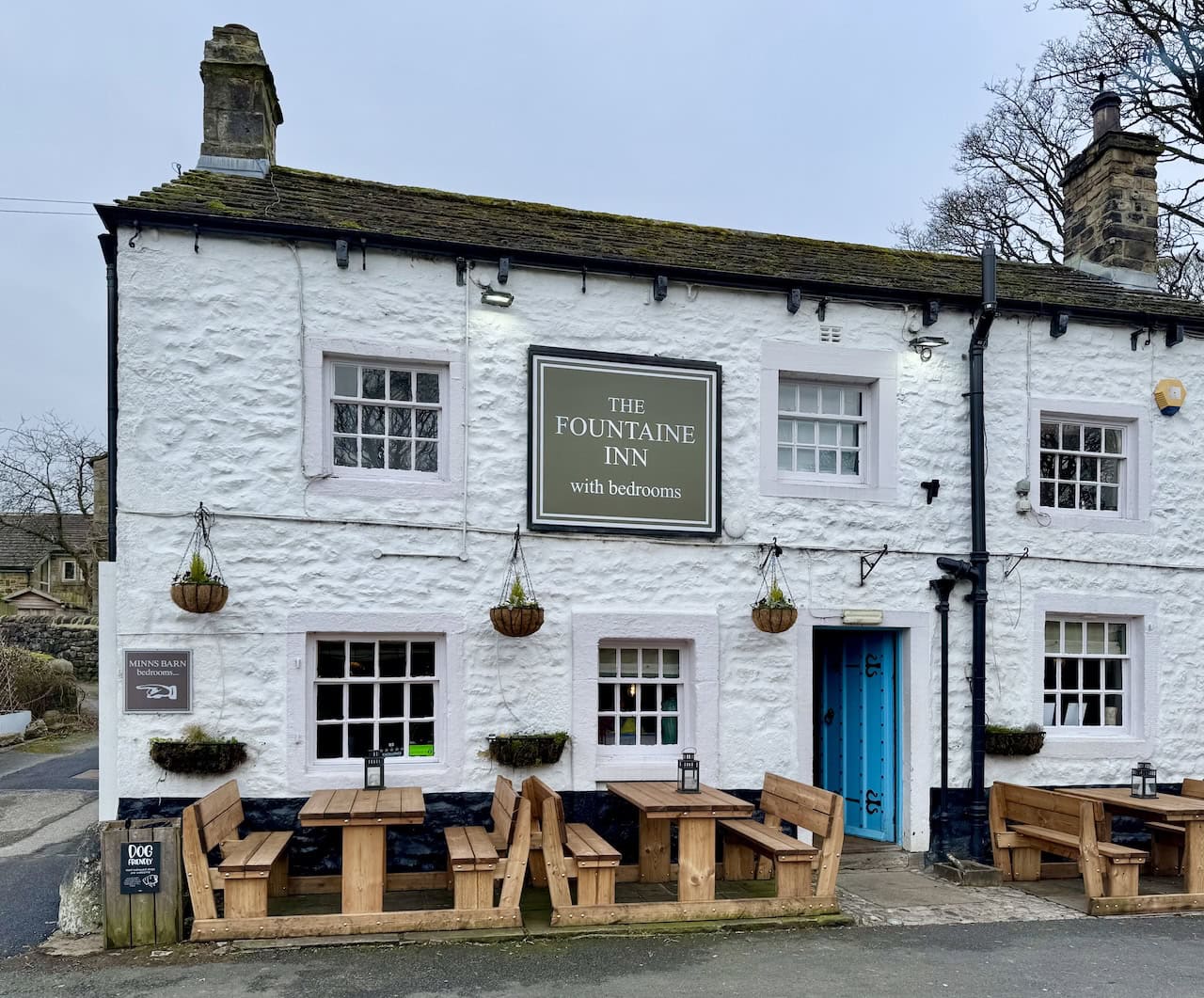
Sitting on the village green and taking its name from the same benefactor, the Fountaine Inn is a very welcome stop for refreshments. It’s a traditional Yorkshire Dales pub offering food and drink in convivial surroundings, and one of the most pleasant places to pause on the entire route.
From Linton, a minor road leads back across the B6160, then a short path leads to Church Road. A brief detour east brings you to St Michael’s and All Angels Church, and it’s well worth making the short trip.
St Michael’s and All Angels Church, Linton
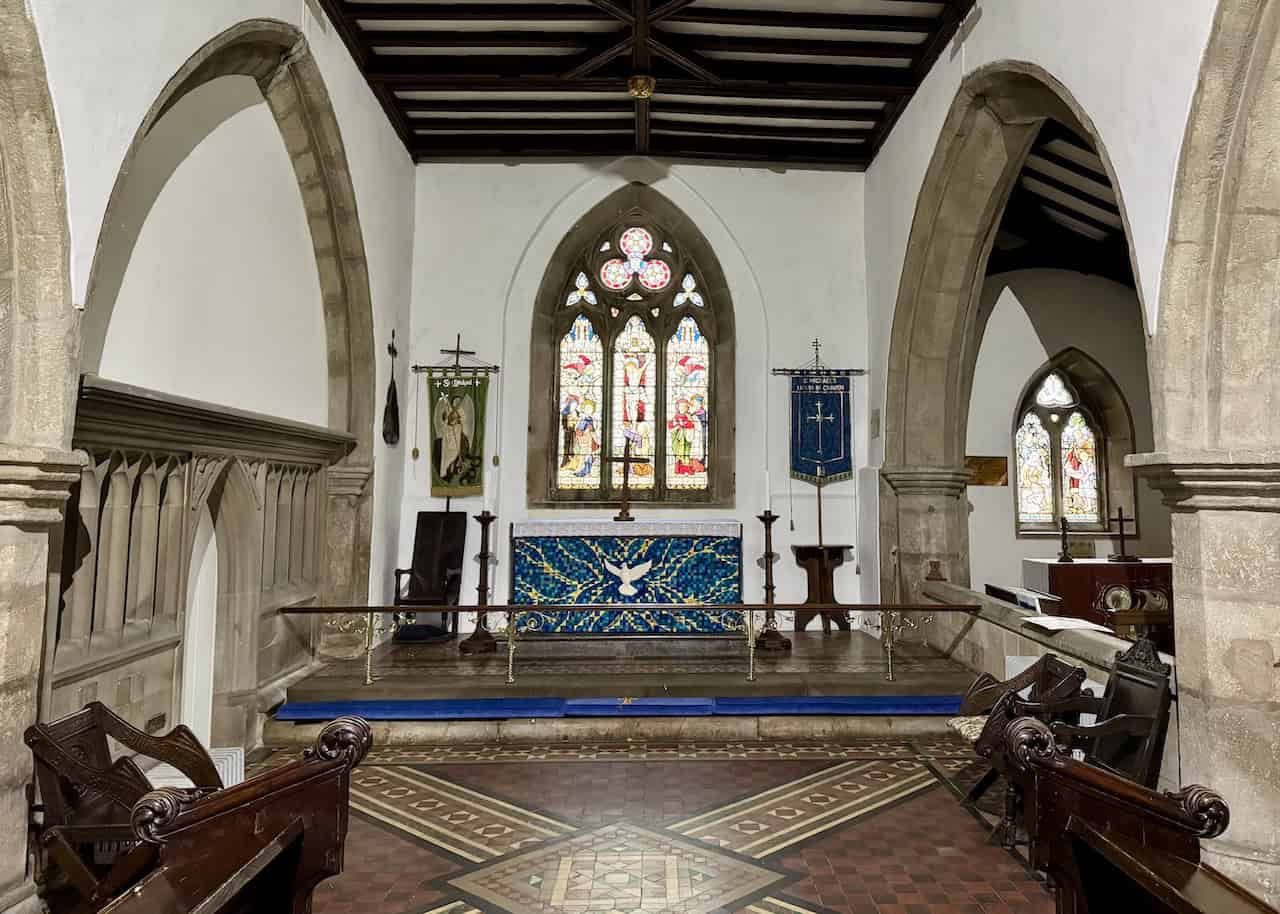
St Michael’s is the parish church of Linton, standing close to the southern bank of the River Wharfe in a beautiful and peaceful setting. It’s a building of considerable age and historic interest. The oldest part of the church is the 12th-century north arcade, while the chancel arch and south arcade date from the 13th century. The chancel was rebuilt in around 1350, and in the 15th century most of the windows were replaced and a clerestory was added. The church was restored in 1861 by John Varley, who added the south porch and rebuilt the bellcote using the original stones.
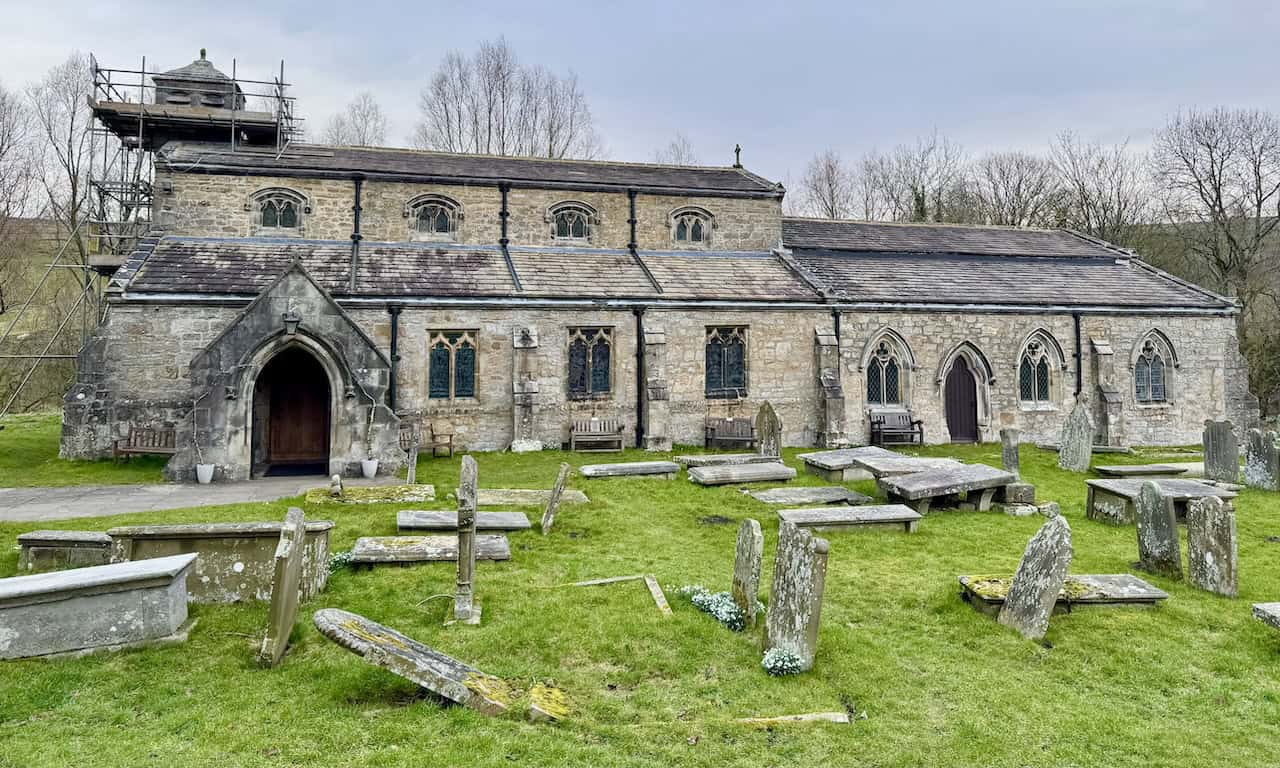
The building is Grade II listed and constructed of stone with a stone slate roof. Inside, there’s a 12th-century cylindrical stone font, one of the oldest surviving features of the church. The setting, on the banks of the River Wharfe and reached by a quiet country lane, makes it one of the most tranquil and atmospheric spots on the entire walk. Even for those with only a passing interest in church architecture, it’s a genuinely lovely place to linger.
ADVERTISEMENT
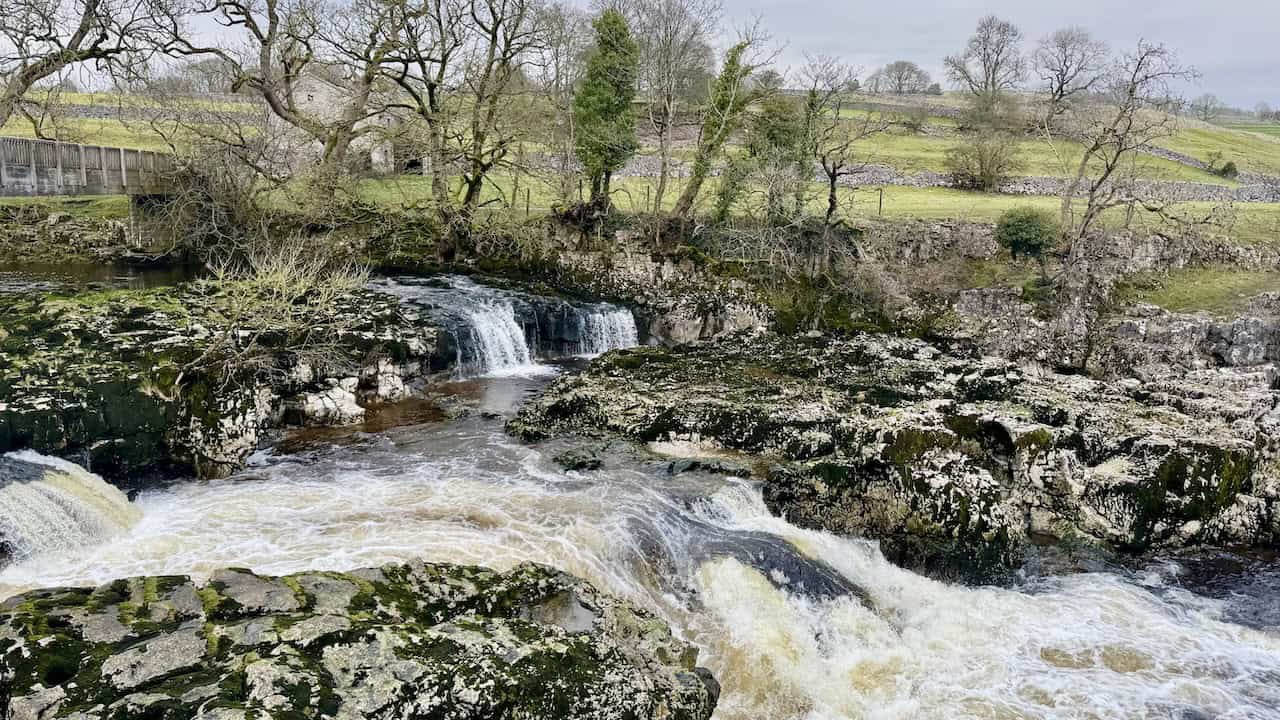
Retracing your steps along Church Road brings you to Linton Falls, where the route crosses the bridge over the falls themselves. This is one of the most spectacular moments on the walk, and you’ll almost certainly want to stop and take it in.
Linton Falls: A Spectacular Finale to the Grassington Circular Walk
Linton Falls on the River Wharfe consists of a natural limestone waterfall, crossed by a footbridge, and a pair of artificial weirs. The falls formed where a fault in the earth’s crust shifted millions of years ago, raising the limestone rocks to the north higher than those to the south. Standing on the bridge directly above the falls is a memorable experience at any time of year, but particularly after heavy rainfall when the river is running high and the force of the water below is truly impressive.
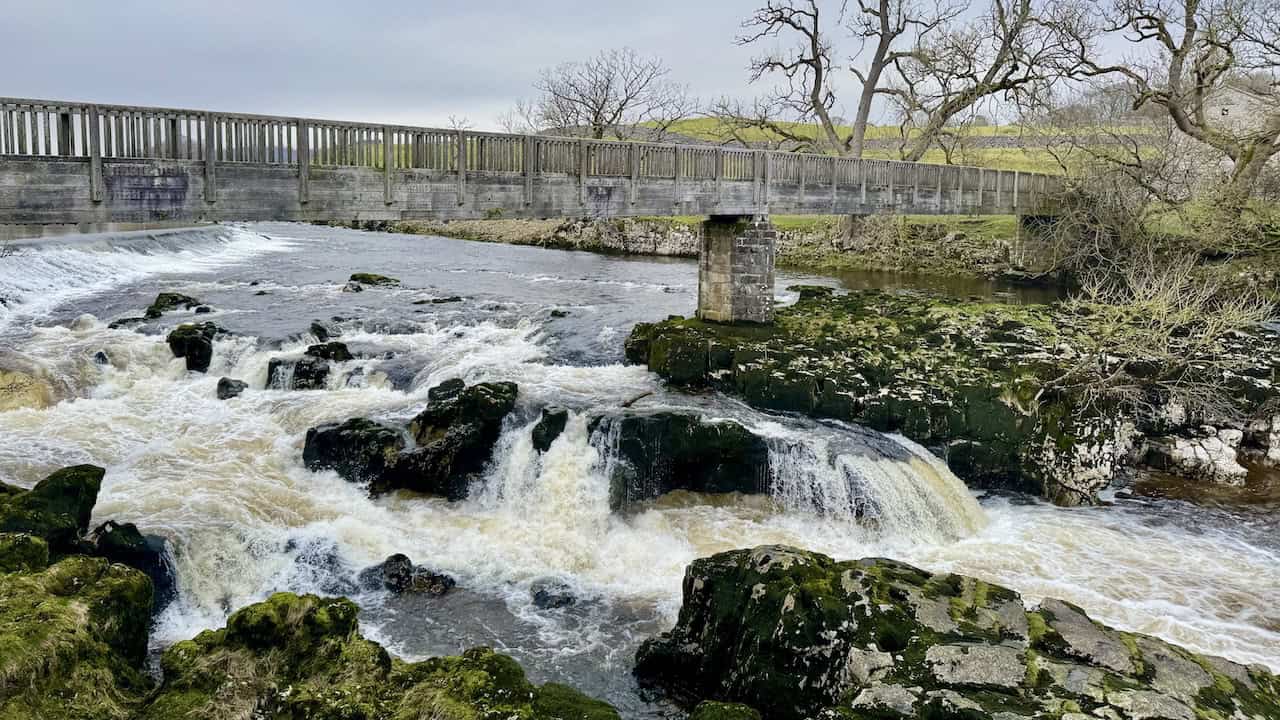
Near the falls is a Grade II listed packhorse bridge over Linton Beck known as Little Emily’s Bridge, the charming little humpback bridge passed on the approach and well worth pausing to admire.
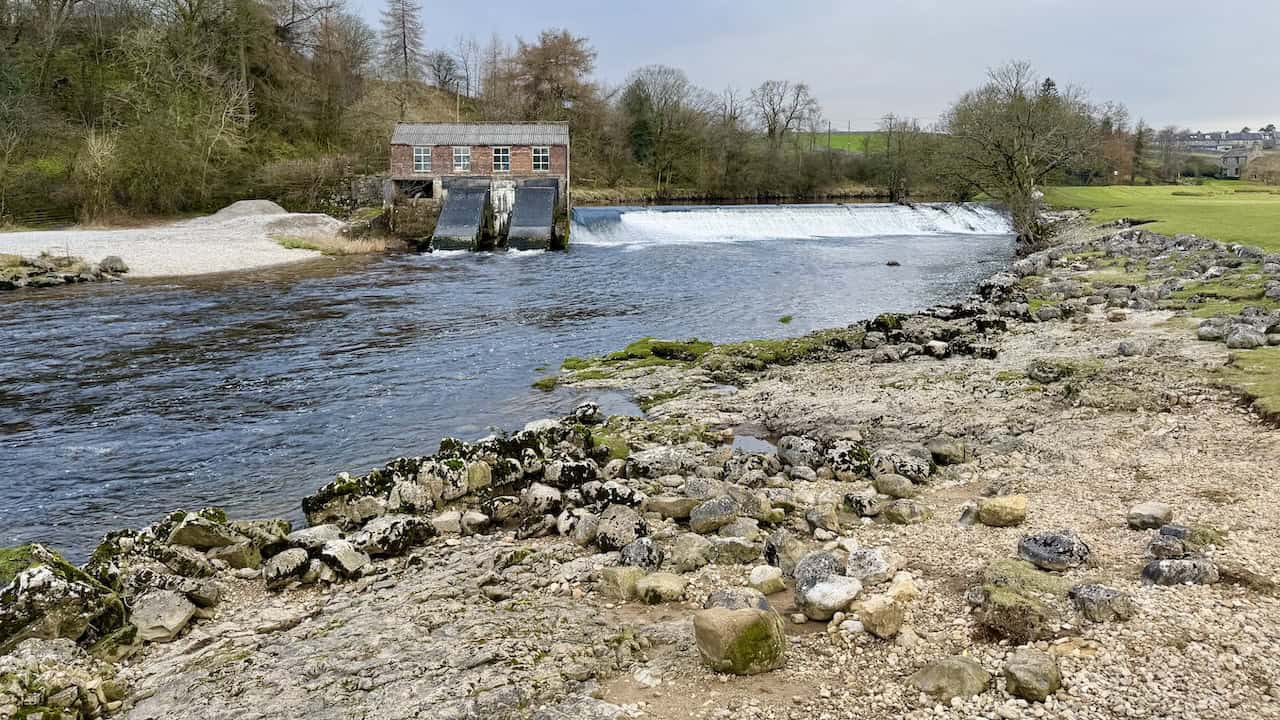
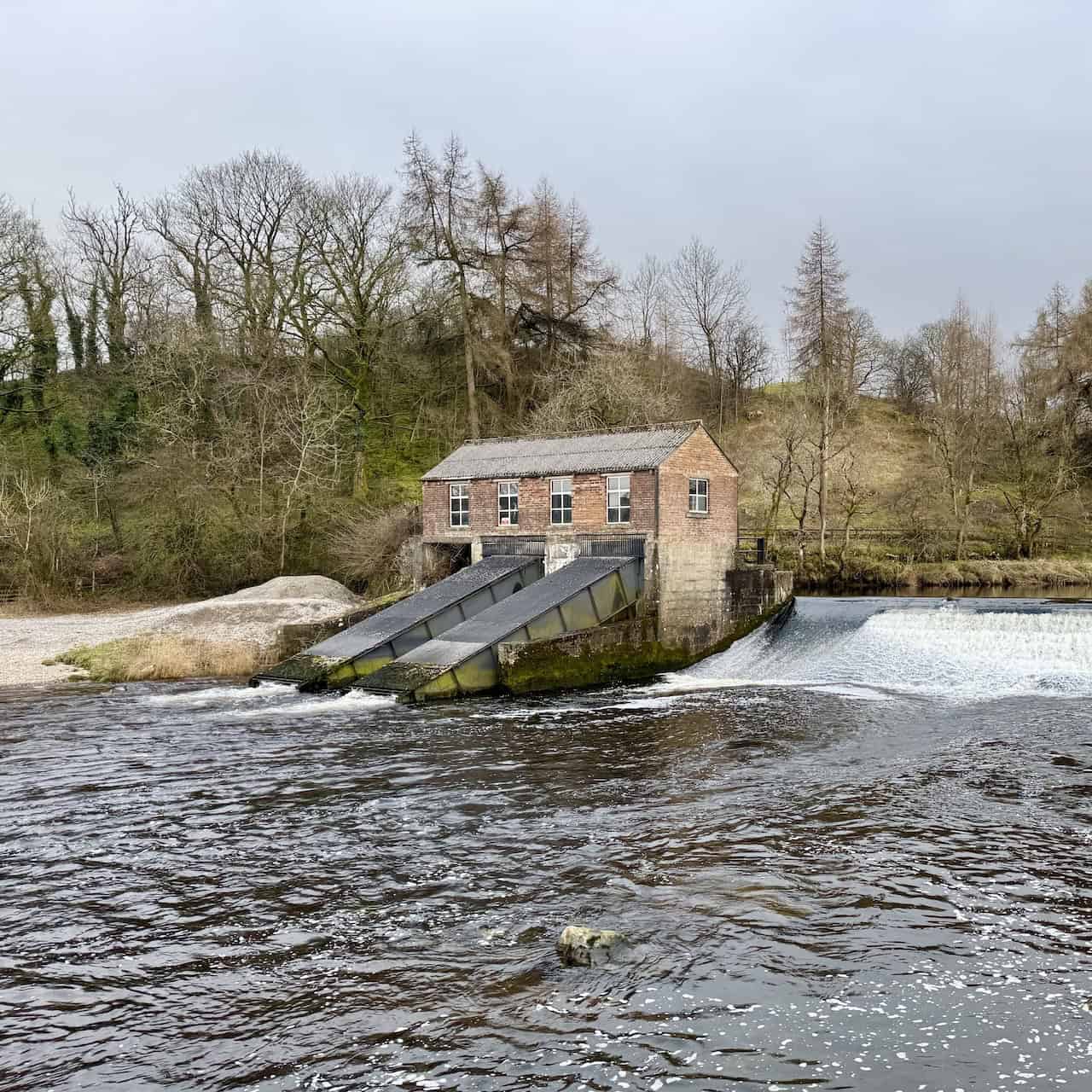
Just upstream of the falls stands Linton Falls Hydro, the small electricity generating station. The first hydroelectric plant here was constructed in 1909 by the Grassington Electric Supply Company, which leased the upper weir at Linton Falls and installed a generating plant with a capacity of 20 kilowatts, distributing electricity to Grassington on the north bank of the river. The plant closed by 1948 but was restored and reopened in March 2012, and the original building is now a scheduled monument, recognised as a rare and significant example of early industrial heritage in the largely non-industrial Yorkshire Dales.
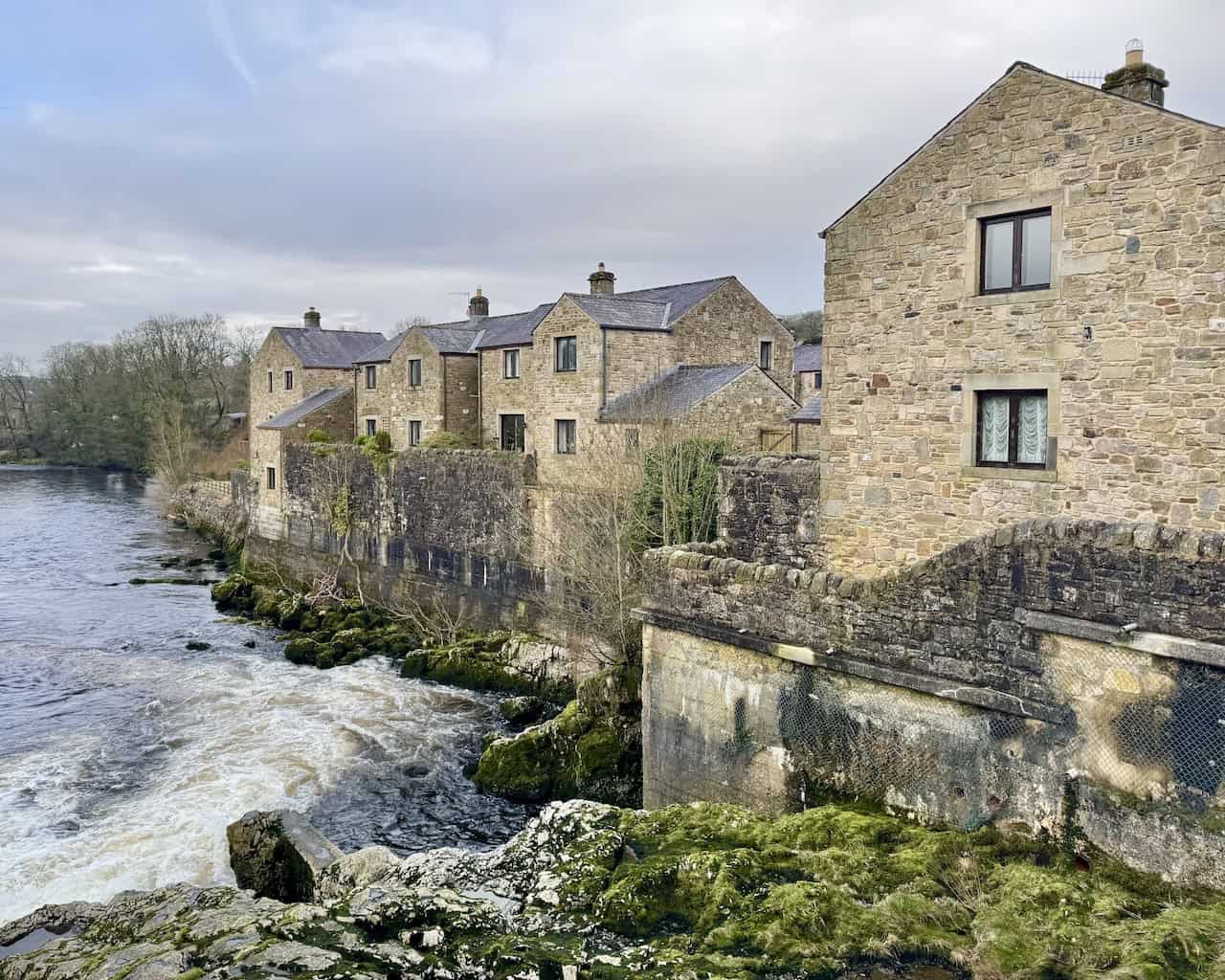
The final stretch follows the side of the River Wharfe and crosses fields, passing Linton Falls Hydro, the weir and the remains of the old mill workings, before meeting Station Road on the western edge of Grassington and heading back up into the town and to the car park.
ADVERTISEMENT
The walk comes in at just over nine miles and should take around four and a half hours, though there’s plenty along the way that will tempt you to linger. It’s a varied and enjoyable route on a mix of moorland tracks, field paths, riverside paths and a small amount of road walking, though the roads are generally very quiet. There are some sections that can be muddy in wet weather, so appropriate footwear is advisable. At just over nine miles, this Grassington circular walk is a great day out and well within reach of most reasonably fit walkers.
Related Post: Walks in Wharfedale
Discover two walks in Wharfedale with scenic hillside and river views
ADVERTISEMENT