ADVERTISEMENT
A Trail of Memories from Circular Walks in Yorkshire and Cumbria
Circular walks in Yorkshire and Cumbria are the heart and soul of my website. I maintain a diary to chart the development of my site and document my adventures across some of Northern England’s most breathtaking landscapes.
As an enthusiast of the great outdoors, my passion drives me to explore and capture the beauty nestled within the Yorkshire Dales, North York Moors, Lake District, Howardian Hills, North Pennines, and their surrounding areas. This page serves as a compilation of journal entries, each detailing the interesting sights and memorable experiences I encounter on my walks.
With each update to my journal, I extend my experiences to social media platforms such as Facebook, Instagram, X, Tumblr, and Pinterest, sharing snapshots and moments from my journeys. I would be honoured if you joined me on this exploration, not just as a reader, but as a fellow explorer, by following my updates on any of these networks.
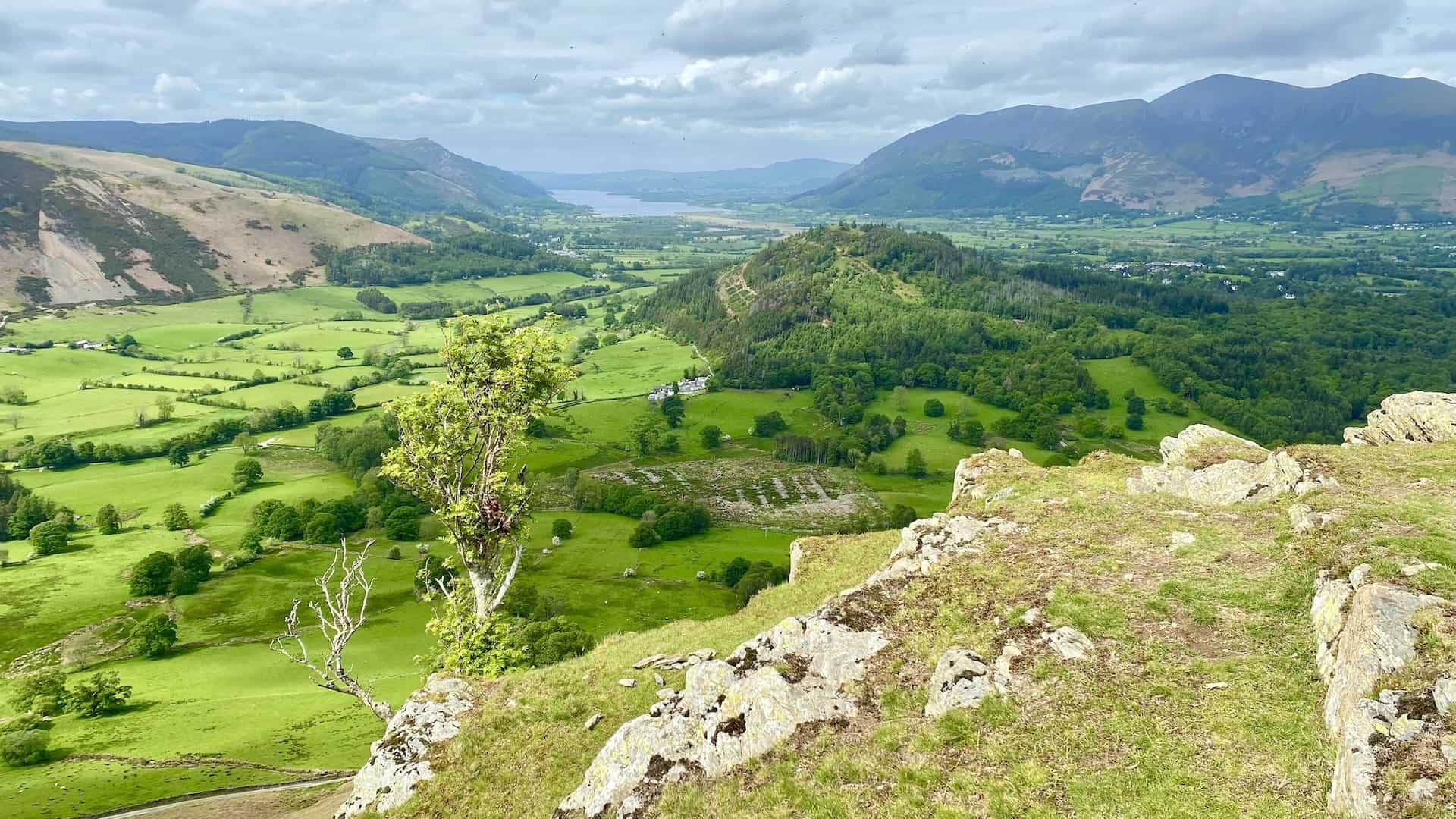
Crook Ness, Burniston and Scalby Along the Route of This Scarborough Walk
This varied circular walk combines Scarborough’s quieter North Bay with open cliff-top paths, the historic Cinder Track and the wooded surroundings of Peasholm Park. It offers a pleasing mix of coastal scenery, countryside, railway heritage and parkland, all within easy reach of the town.
The route begins at Burniston Road car park, near Alpamare Water Park, and heads down to North Bay Beach. From there, it follows the promenade past Sea Life Scarborough and The Old Scalby Mills before climbing onto the cliffs and continuing north along the Cleveland Way and King Charles III England Coast Path. At Crook Ness, the walk turns inland towards Burniston, joins the Cinder Track through Scalby and returns to Scarborough via Manor Road Cemetery, Peasholm Glen and the boating lake.
The walk covers 8¼ miles, or 13¼ kilometres, and takes around 3¾ hours to complete. The total ascent is 571 feet, or 174 metres, and the route is circular. OS Explorer OL27 covers the area, while detailed versions of the route are available through OS Maps and Outdooractive, with options to print or download the route, or export it as a GPX file.
Scarborough is the largest town on the Yorkshire Coast and has a long history stretching back to prehistoric settlement and a Roman signal station. The town developed beneath its rocky headland and castle, later becoming closely associated with Scarborough Fair and the growth of seaside tourism following the discovery of spa waters in the seventeenth century. Its headland divides the seafront into the busier South Bay and the traditionally quieter North Bay, where this walk begins and ends.
Highlights along the route include views back over Scalby Mills, the broad sweep of Scalby Ness Sands and easy cliff-top walking above the sea. Further on, the Cinder Track provides a peaceful route through fields and woodland, with Burniston Nurseries offering a possible refreshment stop. The final section through Peasholm Glen features lily ponds, stone bridges, woodland paths and ornamental lakes before the walk reaches the boating lake and island bandstand.
This is a rewarding route for anyone who enjoys combining coastal paths with local history and quieter green spaces. Visit the walk page for complete directions, route statistics, maps and more photographs from every stage of the journey.
Visit https://www.paulbeal.com/scarborough-walk
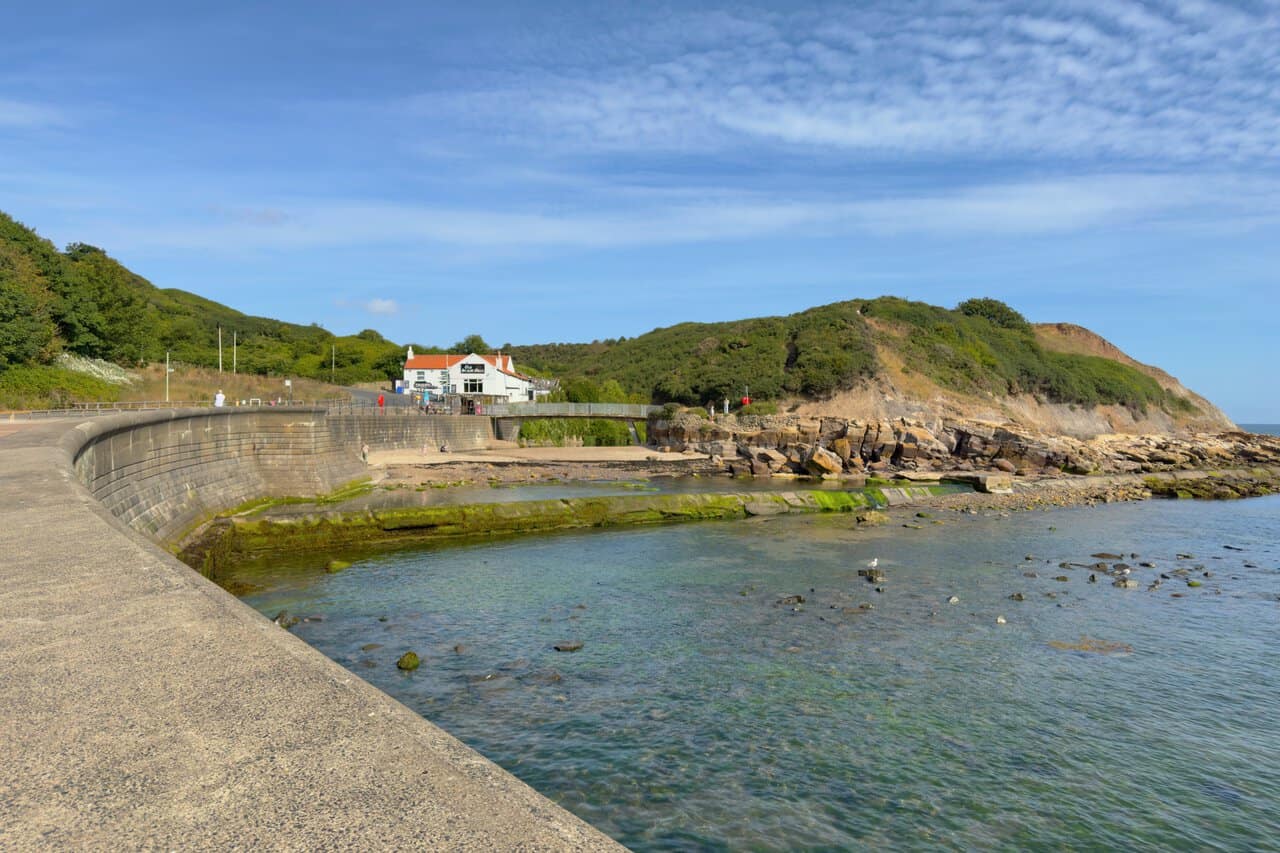
Viewpoints Towards Simon’s Seat and Lord’s Seat on the Trollers Gill Walk
This circular Trollers Gill walk combines open moorland, dramatic limestone scenery, historic buildings and far-reaching views across the Yorkshire Dales. Starting beside Grimwith Reservoir, the route explores the rocky gorge of Trollers Gill before passing through Skyreholme and returning across heather-covered moors to the reservoir.
From the large car park at Grimwith Reservoir, the route heads south to the B6265 before continuing along a walled track towards New Road and Gill Heads. It then descends beside Skyreholme Beck and passes through the narrow ravine before continuing towards Parcevall Hall, Middle Skyreholme and High Skyreholme. Black Hill Road leads north towards Nursery Knot, from where the return route crosses the moor to Grimwith High Laithe and follows the waterside path back to the car park.
The walk covers 7½ miles, or 12 kilometres, and takes around 3¾ hours to complete. It includes approximately 1,146 feet, or 349 metres, of ascent and follows a mixture of stone tracks, grassy paths, minor roads and rocky ground. The gorge is normally straightforward to follow, although the uneven limestone requires care. A parallel valley provides an alternative route after prolonged heavy rain.
Trollers Gill is a narrow limestone gorge near Skyreholme, a few miles south-east of Grassington. Also known as Trollerdale, it stretches for about half a mile and was probably formed when the roof of an ancient cave collapsed. Skyreholme Beck usually disappears underground before entering the gorge and resurfaces farther down the valley. The area also has a long mining history, with lead and fluorspar once worked around Gill Heads, while local folklore tells of trolls and a monstrous black dog known as the barghest.
Highlights include the changing views across Grimwith Reservoir, distant ridges such as Simon’s Seat and Lord’s Seat, and the atmospheric passage through the steep-sided gorge. Beyond the ravine, the landscape opens around Old Man’s Scar and the green valley of Skyreholme Beck. The return journey crosses flowering heather moorland and passes Grimwith High Laithe, a distinctive centuries-old cruck barn with a steep, heather-thatched roof, before finishing beside the reservoir.
Visit the website to explore the complete walking directions, route statistics, maps and photographs from every stage of this varied Yorkshire Dales circuit.
Visit https://www.paulbeal.com/trollers-gill-walk
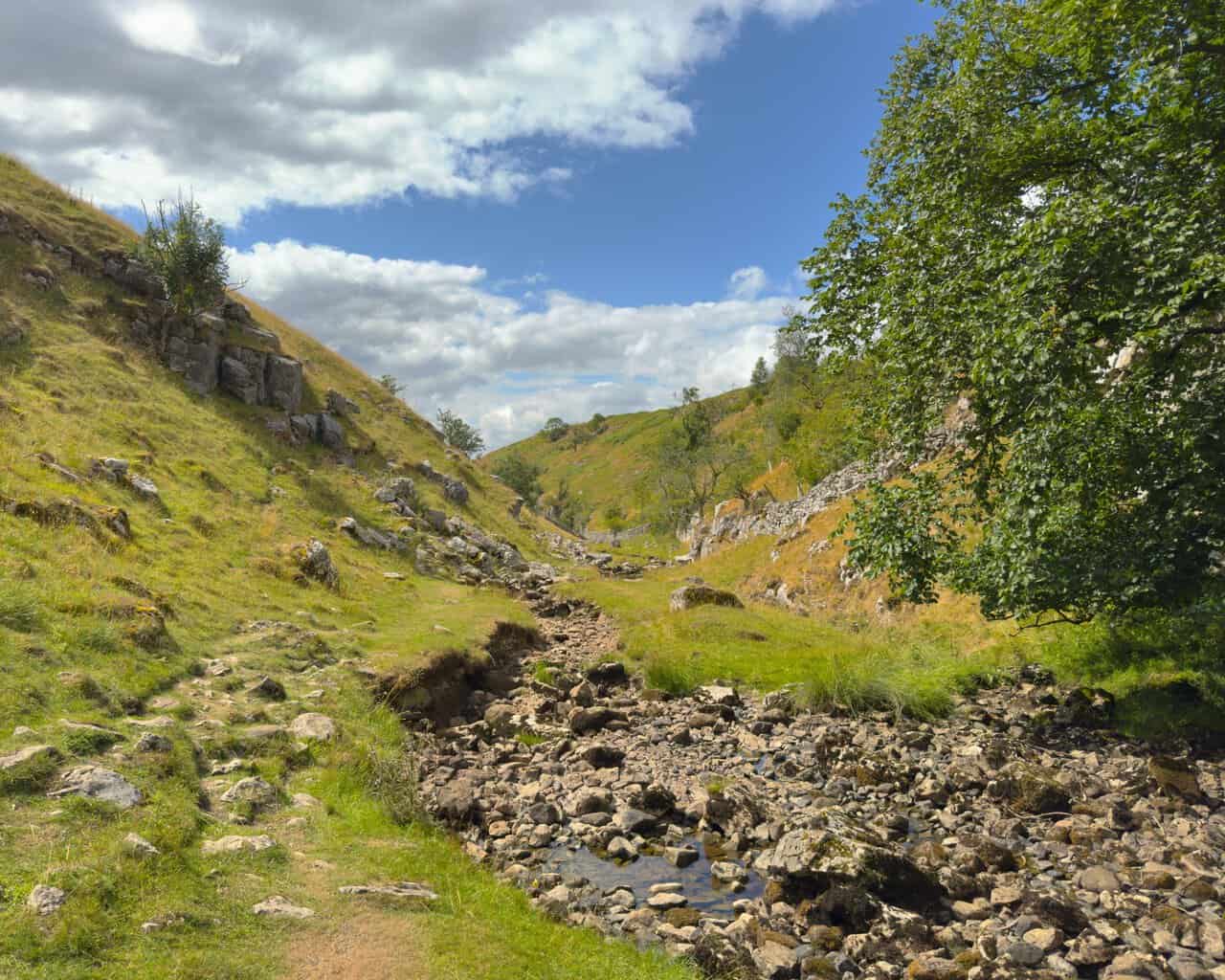
Follow the Nidderdale Way From Pateley Bridge on the Yorke’s Folly Walk
This varied circular walk from Pateley Bridge combines village lanes, woodland paths, open heather moorland and a gentle riverside return. The route visits the striking twin pillars of Yorke’s Folly, follows sections of the Nidderdale Way and Six Dales Trail, and offers wide views across Nidderdale.
Starting at the Nidderdale Agricultural Society car park, the walk crosses the River Nidd and passes through Bewerley, where Bewerley Grange Chapel stands beside the route. It then climbs through Skrikes Wood onto Nought Moor, continues past Yorke’s Folly and the telecommunications mast, and descends through Guisecliff Wood and Parker Wood to Glasshouses before following the river back to Pateley Bridge.
The circular route covers 4¾ miles, or 7¾ kilometres, and takes around 2½ hours, with a total ascent of 782 feet, or 238 metres. It lies within Nidderdale and is covered by OS Explorer map 298. The website also provides links to the parking location and interactive versions of the route on OS Maps and Outdooractive.
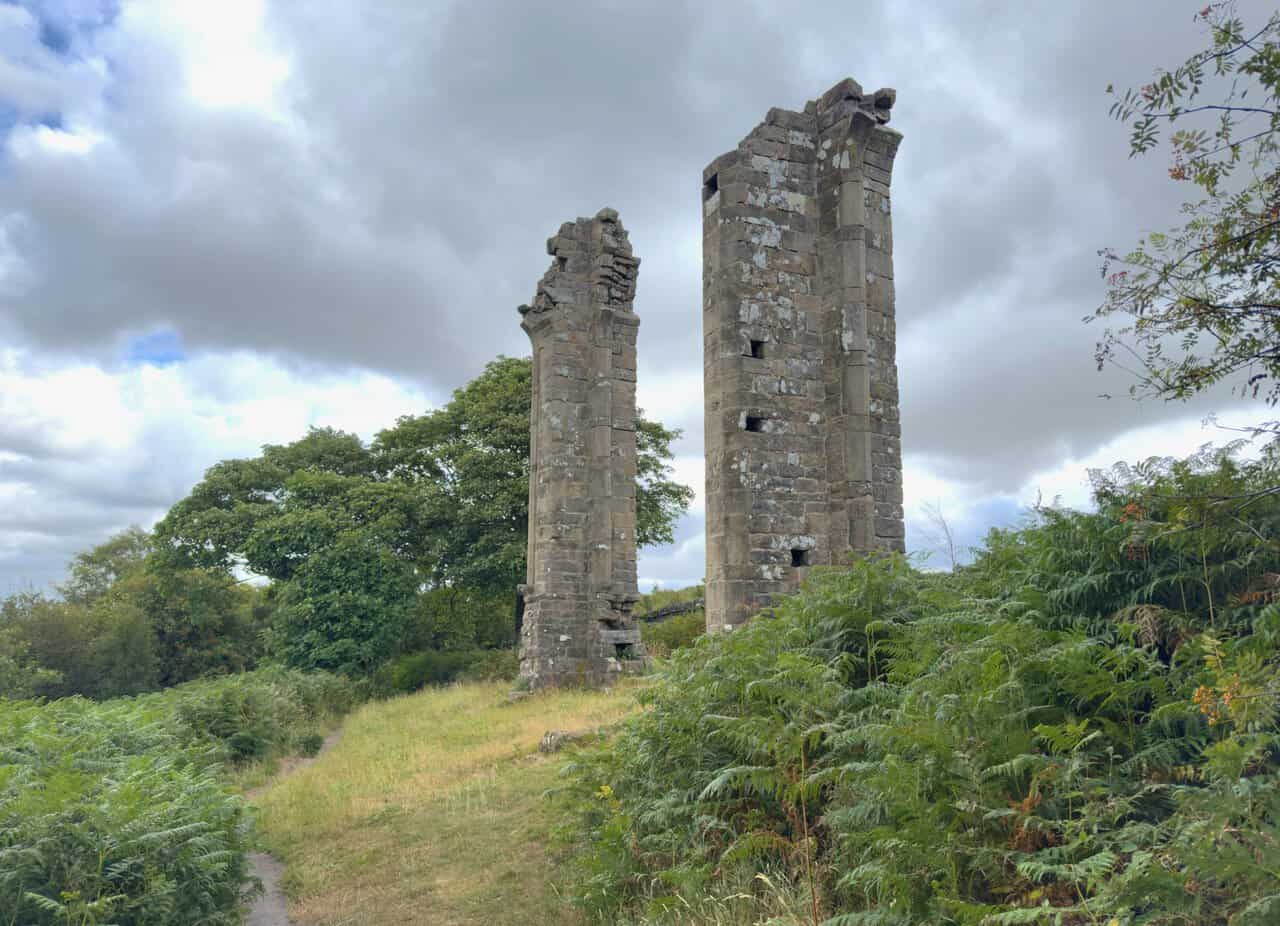
Yorke’s Folly stands high above Bewerley on the edge of Nought Moor and is known locally as the Two Stoops. Built for landowner John Yorke in the late Georgian period, the gritstone pillars were designed to resemble part of a ruined church and may also have provided paid work for local men during a time of hardship. There were originally three pillars, but the largest was blown down during a storm in November 1893.
Highlights along the way include the historic Bewerley Grange Chapel, the climb above Pateley Bridge, the rocky moorland around the folly and sweeping views across the dale. The return passes Glasshouses Mill, a weir and old sluice mechanisms beside the River Nidd, the turreted house known as Castlestead, and the Pillars Past sculpture, whose three carved figures represent Nidderdale’s mining, monastic and farming heritage.
With its blend of history, open countryside, woodland and riverside scenery, this rewarding route reveals several different sides of Nidderdale within a relatively short distance. Visit the walk page for complete directions, route statistics, maps and more photographs from the journey.
Visit https://www.paulbeal.com/yorkes-folly-walk
Discover Natural Beauty on the Brimham Rocks Walk in Nidderdale
This nine-mile circular walk from Pateley Bridge is one of Nidderdale’s finest days out, climbing to the extraordinary rock formations of Brimham Rocks before returning gently along the River Nidd. It packs a great deal into its length, from a ruined hilltop church to a Victorian viewing platform, an old waterwheel, a former mill and a striking piece of public art near the finish.
Starting from the Nidderdale Agricultural Society car park in Pateley Bridge, the route heads up through the town and joins the Nidderdale Way, passing the ruins of Saint Mary’s Church and The Rock viewing platform on Panorama Walk. It continues through Knott, Tiplady Farm and Blazefield to White Houses, then climbs to Brimham Rocks before dropping through High Wood to Smelthouses, Low Laithe and Glasshouses. From there, it follows the Six Dales Trail beside the river back to Pateley Bridge.
The walk is around nine miles, or fourteen and a half kilometres, with about 1,240 feet of ascent. It takes roughly four and a quarter hours at a steady pace. This circular route lies in Nidderdale, and the recommended map is Ordnance Survey OS Explorer 298. Parking is available in Pateley Bridge at the start.
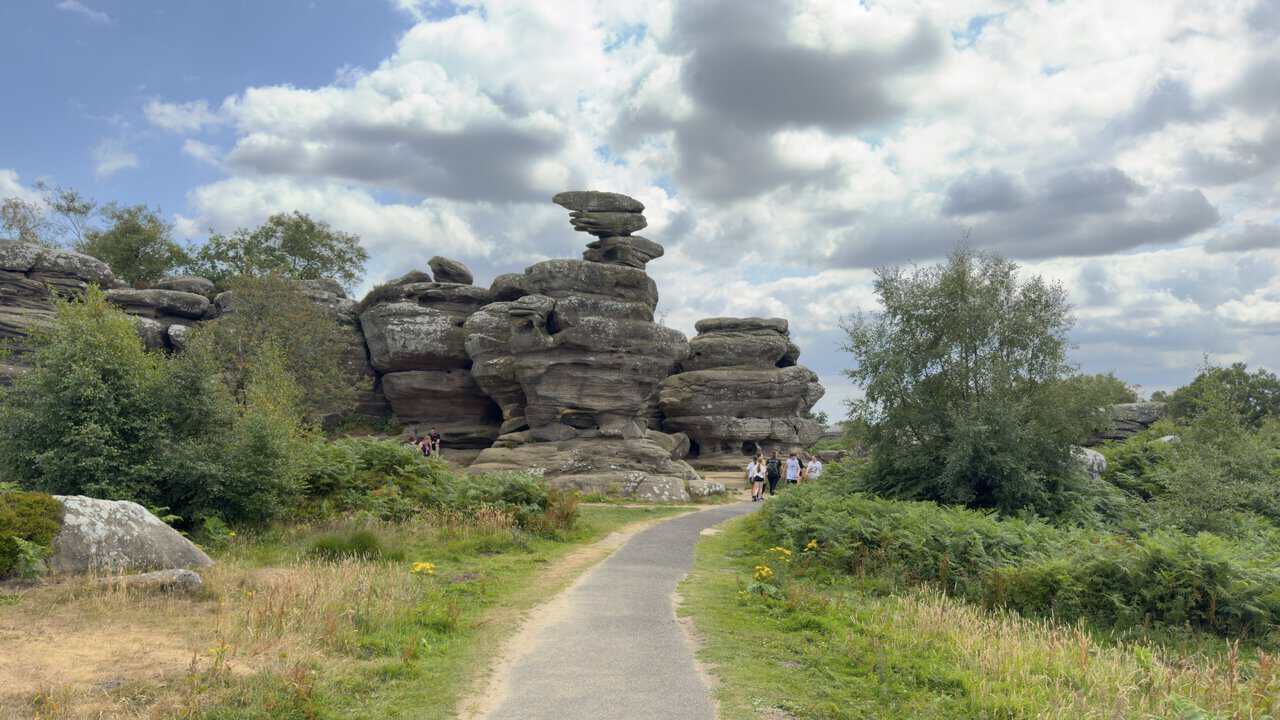
Brimham Rocks are a remarkable collection of balancing rock formations on Brimham Moor, some standing nearly thirty feet high. The National Trust cares for the site within the Nidderdale National Landscape. The rocks were shaped over a vast span of time as millstone grit was worn away by water, ice and wind, and many of the formations have been given names such as the Sphinx, the Camel and the Dancing Bear.
Along the way, you will pass the Oldest Sweet Shop in England, the ruined Church of Saint Mary the Virgin with its ancient yews, and The Rock, a platform first surfaced for Queen Victoria’s Golden Jubilee. Other features include an old overshot waterwheel and a preserved blue police box at Tiplady Farm, the great stone bulk of Glasshouses Mill beside the river, and the Pillars Past sculpture near the finish. Its three sandstone figures honour the mining, farming and monastic history of the dale.
With dramatic rocks, rich history and easy riverside walking to round it off, this route rewards a full day out in the heart of Nidderdale. Full directions, a map and plenty of photographs are available on the page below.
Visit https://www.paulbeal.com/brimham-rocks-walk
The Deer Park and Seven Bridges Valley on the Fountains Abbey Circular Walk
This six-mile circular walk explores the wider estate around Fountains Abbey and Studley Royal, one of Yorkshire’s finest World Heritage landscapes. It takes in the ancient deer park, the beautiful Seven Bridges Valley and quiet field paths along the River Skell, with plenty of history and wildlife to enjoy along the way.
Starting from the Fountains Abbey and Studley Royal Visitor Centre, the Fountains Abbey circular walk heads through the deer park to Studley Lake, then follows the River Skell through the Seven Bridges Valley and Chinese Wood. It climbs across Hum Hill to Whitcliffe Lane, loops round by Hell Wath to the village of Studley Roger, and returns through the deer park past Choristers’ House and St Mary’s Church.
This free walk stays within the open outer grounds of the estate and does not enter the ticketed abbey ruins or water garden, for which paid admission or National Trust membership is required. The route covers six miles, or about nine and a half kilometres, and takes roughly two and three-quarter hours, with a modest ascent of 153 metres. Parking is free at the visitor centre, where you will also find a shop, restaurant and toilets at the start and finish.
Fountains Abbey was founded in 1132 and grew into one of the wealthiest Cistercian monasteries in England before the Dissolution of 1539. In the eighteenth century, John Aislabie and his son William wove the ruins into the Georgian water garden of Studley Royal, and the whole estate has been a World Heritage Site since 1986.
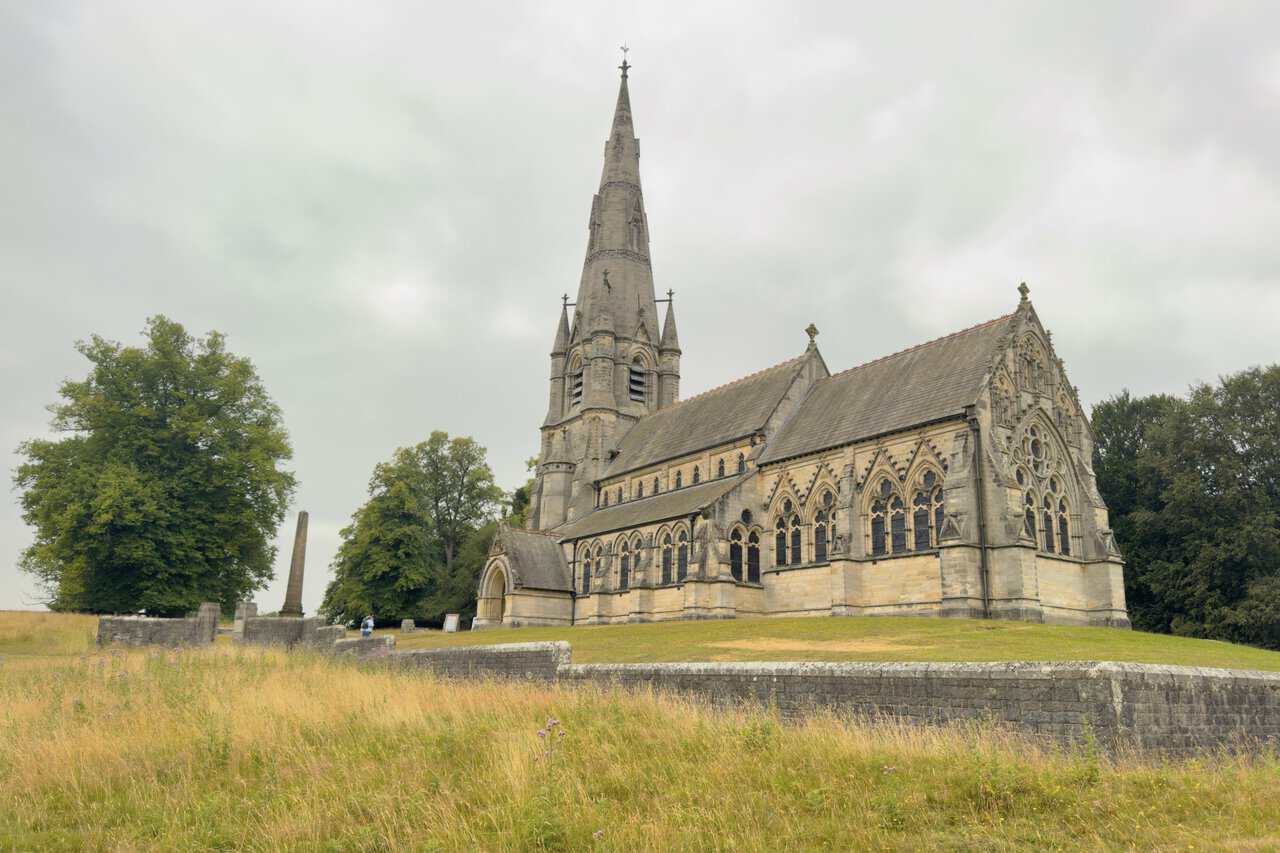
Highlights include the five arched stone bridges over the River Skell, the Roman Monument known as the Devil’s Chimney high on the valley side, and the medieval deer park with its herds of red, fallow and sika deer. The grand stable block of Studley Royal House, the eye-catching Choristers’ House and the soaring spire of St Mary’s Church also feature along the route.
If you fancy a walk that brings together medieval ruins, Georgian landscape and wild deer, this one is well worth exploring. You will find full directions, all my photographs and a downloadable map on the page below.
Visit https://www.paulbeal.com/fountains-abbey-circular-walk
A Circular Route Through Studley Royal on the Fountains Abbey Walk
This circular Fountains Abbey walk explores the wider Studley Royal estate, combining open deer parkland, woodland, riverside paths, historic buildings and the peaceful Seven Bridges Valley. Starting and finishing at the Fountains Abbey and Studley Royal Visitor Centre, the route offers an enjoyable introduction to the landscape surrounding the abbey without entering the ticketed part of the estate.
From the visitor centre, the route follows the path towards St Mary’s Church before entering Studley Royal Deer Park and descending to Studley Lake. It continues beside the lake and through the Seven Bridges Valley, crossing the surviving stone bridges over the River Skell. After passing through Chinese Wood, the walk reaches Plumpton Hall and Studley Lodge, continues through Studley Roger and then returns to the deer park. The final section passes Studley Royal House, Choristers’ House and St Mary’s Church before heading back to the visitor centre.
The walk covers 4½ miles, or 7¼ kilometres, with 387 feet, or 118 metres, of ascent. Allow around two hours to complete the circular route. Two large free car parks are available near the visitor centre, with electric vehicle charging points also provided, although signs state that the car parks are locked at 6 pm. The route is covered by OS Explorer map 298, and detailed versions can also be viewed through OS Maps and Outdooractive.
Fountains Abbey was founded in 1132 by thirteen Benedictine monks who later joined the Cistercian Order. Over time, it became the largest and wealthiest abbey in northern England, supported by extensive estates and industries including wool production, cattle rearing, lead mining and stone quarrying. Monastic life ended during the Dissolution of the Monasteries in 1539, and the abbey gradually fell into ruin. In the eighteenth century, the estate was joined to the designed landscape at Studley Royal, where the medieval ruins, water garden and deer park now form part of a UNESCO World Heritage Site.
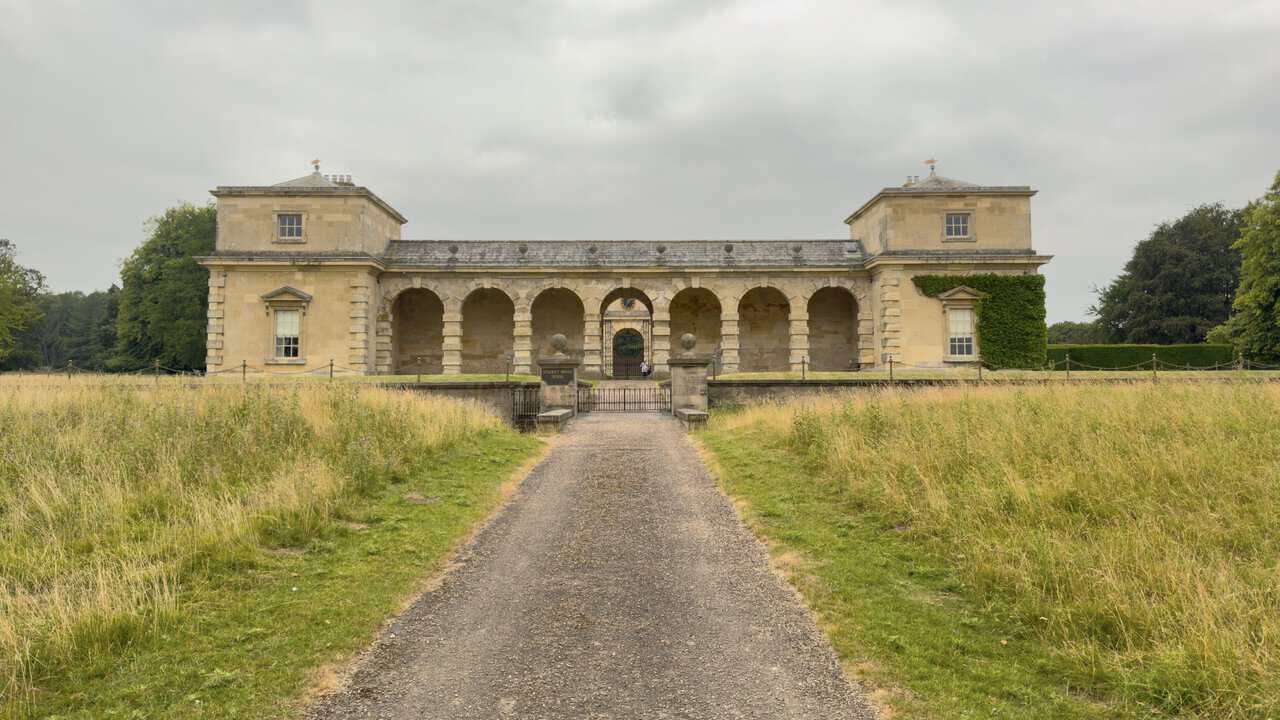
Among the most memorable parts of the walk are the views across Studley Lake, the fishing tabernacles on the dam and the old stone bridges of the Seven Bridges Valley. The route also passes the decorative Studley Lodge, the quiet village of Studley Roger and the open grassland of the deer park, where red, fallow and sika deer may be seen. Near the end of the walk, Choristers’ House and the soaring spire of St Mary’s Church provide two striking architectural highlights.
This is a varied and rewarding route for anyone who enjoys historic landscapes, gentle parkland walking and places with plenty to discover along the way. The full website page includes detailed step-by-step directions, mapping links, route statistics, photographs and further information about the history and landmarks encountered throughout the walk.
Visit https://www.paulbeal.com/fountains-abbey-walk
The Two Summits of Flasby Fell Give This Skipton Walk Its Finest Views
This circular walk from the centre of Skipton climbs onto Flasby Fell to reach the two summits of Sharp Haw and Rough Haw, then descends through quiet countryside to join the Leeds and Liverpool Canal for the return journey. It is a day of two halves, with grassy paths and open fell in the first part and a level towpath in the second. The views from the summits repay every step of the climb.
The route starts at Coach Street Car Park and heads through the town onto Chapel Hill, passing High Corn Mill before climbing across the fields of Park Hill on the Dales High Way and Lady Anne’s Way. The path crosses Skipton Golf Club and follows Brackenley Lane and Bog Lane onto the open fell, where it reaches Sharp Haw and then Rough Haw. From there, the route descends to the hamlet of Flasby, continues to Eshton Bridge and Eshton Road, and then follows Ray Bridge Lane to join the canal at Ray Bridge. The towpath carries you east past Holme Bridge Lock, Highgate Bridge, Thorlby Bridge and Niffany Swing Bridge before returning to the town centre.
The walk covers 11¾ miles, or 18¾ kilometres, with 1,258 feet, or 383 metres, of ascent, and takes around five and a half hours. It is a circular route in northern England, best followed using OS Explorer OL2, the Yorkshire Dales Southern and Western Area map at a scale of 1:25,000. This shows the footpaths, rights of way and open-access land needed for the walk. Parking is available at Coach Street Car Park, a North Yorkshire Council pay-and-display car park in the town centre. The route can also be viewed, printed or downloaded as a GPX file through OS Maps and Outdooractive.
Skipton sits on the River Aire and the Leeds and Liverpool Canal, just south of the Yorkshire Dales, which is how it gained its nickname, the Gateway to the Dales. Its name comes from the Old English words for sheep and town, and it appears in the Domesday Book of 1086. Skipton Castle was built in 1090 as a timber motte-and-bailey castle by the Norman baron Robert de Romille and survives today as one of the most complete medieval castles in England. High Corn Mill, which the route passes near the start and which is powered by Eller Beck, dates from 1310. The town prospered through sheep farming and the wool trade, and in the nineteenth century the canal helped turn it into a small mill town with links to the cities.
Sharp Haw has a trig point at 357 metres, and the views from this modest hill are remarkable. They extend north into the Dales towards Buckden Pike and Great Whernside, north-east to Rylstone Cross and the Cracoe War Memorial, and south-west over Gargrave to the long silhouette of Pendle Hill. A short but steep pull then leads to Rough Haw, with its broad crown of weathered gritstone boulders and summit cairn at 339 metres. The descent continues through the stone farmhouses and quiet lane of Flasby, while the canal offers its own attractions, including Holme Bridge Lock, a series of swing bridges, geese on the bank and narrowboats moored nose to tail as you approach the town.
The full route directions, all forty-five photographs and more information about Skipton are available on the walk page. You will also find links to OS Maps and Outdooractive if you would like to print the route or take it with you on your phone.
Visit https://www.paulbeal.com/skipton-walk
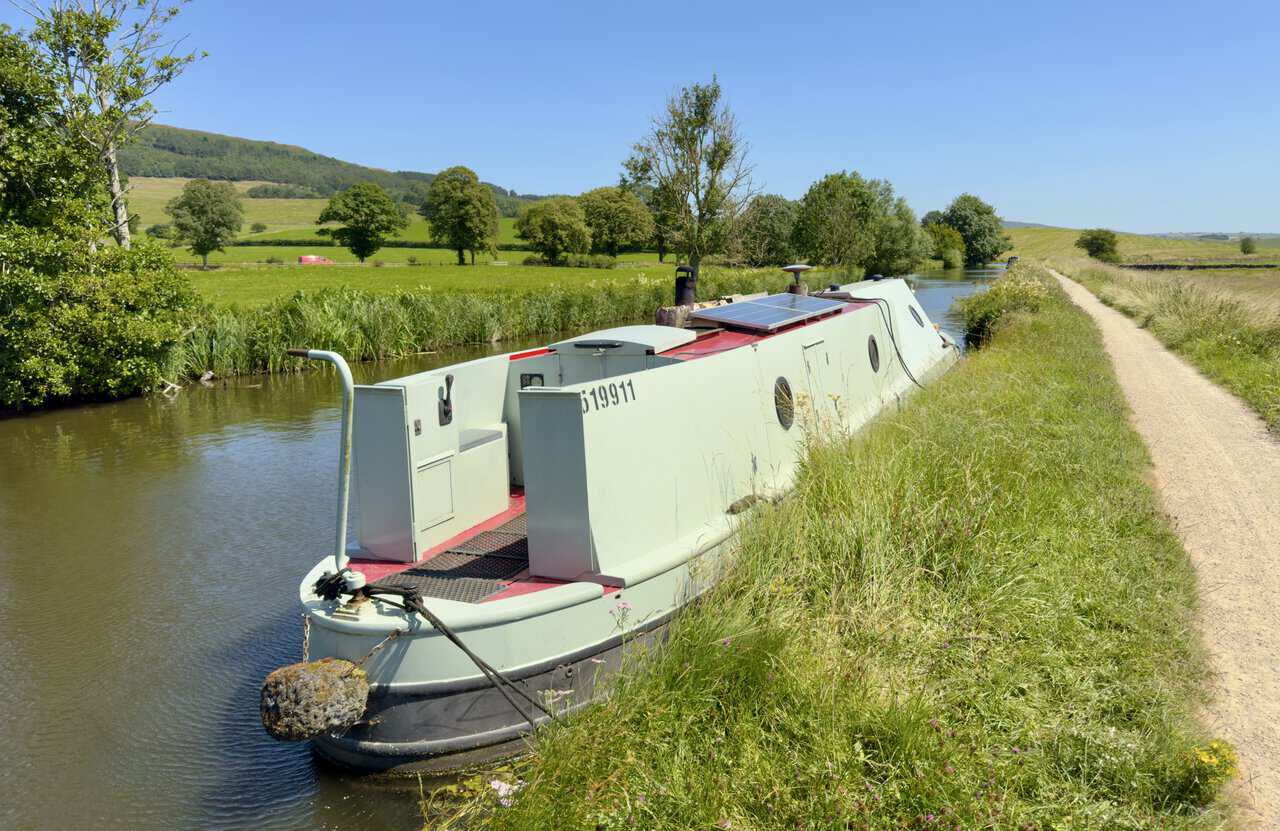
A Quiet Countryside Circuit Awaits on This West Tanfield Walk Near Ripon
This West Tanfield walk is a rewarding circular route of just over eight miles through the quiet countryside north of Ripon, following the River Ure for much of the way. It links three villages, takes in a medieval tower, three village churches and a riverside caravan park with an old working mill, and finishes back where it began beside the river. With gentle terrain and a wealth of history along the way, it makes a full and satisfying day out on foot.
The walk starts at West Tanfield Memorial Hall car park and crosses Tanfield Bridge to join the Ripon Rowel Walk beside the River Ure, passing a weir and Sleningford Water Mill along the way. It continues through North Stainley, with its ponds and cricket pitch, then passes Lightwater Quarries and Newfield Farm before reaching the village of Mickley. From there, the route rejoins the river, passes through Piccadilly Wood and returns to West Tanfield, finishing at St Nicholas’s Church and Marmion Tower.
The full circuit measures about eight and a quarter miles, or thirteen and a quarter kilometres, with roughly 413 feet of ascent, and takes around three and a half hours at a steady pace. As it is a circular walk, you finish back at the starting point. Parking is available at West Tanfield Memorial Hall, with payment made through an honesty box. Two short sections can become a little overgrown, so shorts are not the best choice. The route can be viewed, printed and downloaded through both OS Maps and Outdooractive.
West Tanfield sits on the north bank of a large meander in the River Ure, about six miles north of Ripon, and appears in the Domesday Book as Tanefeld. Its manor passed through several notable hands over the centuries, from the Marmion family to the Fitz Hughs and later the Parrs, one of whom was the brother of Catherine Parr, queen consort to Henry VIII. The finest surviving feature from that long history is Marmion Tower, a 15th-century gatehouse cared for by English Heritage and known for its first-floor oriel window. Today, the village has two pubs, a village store and a cricket club founded in 1907.
There is a great deal to enjoy along the way, from the barley fields and weir on the opening riverside stretch to the ponds and old waterwheel at North Stainley. Each of the three churches has its own story, from St Mary the Virgin and St John the Evangelist to St Nicholas’s Church, with its remarkable Marmion tombs. These include the alabaster effigies of Sir John and Lady Elizabeth Marmion beneath a rare wrought-iron candle hearse. The walk saves some of its finest moments for the end, with the shaded path through Piccadilly Wood and the climb up Marmion Tower for a final view over the village, church, bridge and river.
If you are looking for a walk that combines easy riverside miles with quiet villages and a real sense of history, this West Tanfield walk is well worth adding to your list. You can read the full route directions, together with the maps, statistics and all my photographs from the day, on the website.
Visit https://www.paulbeal.com/west-tanfield-walk
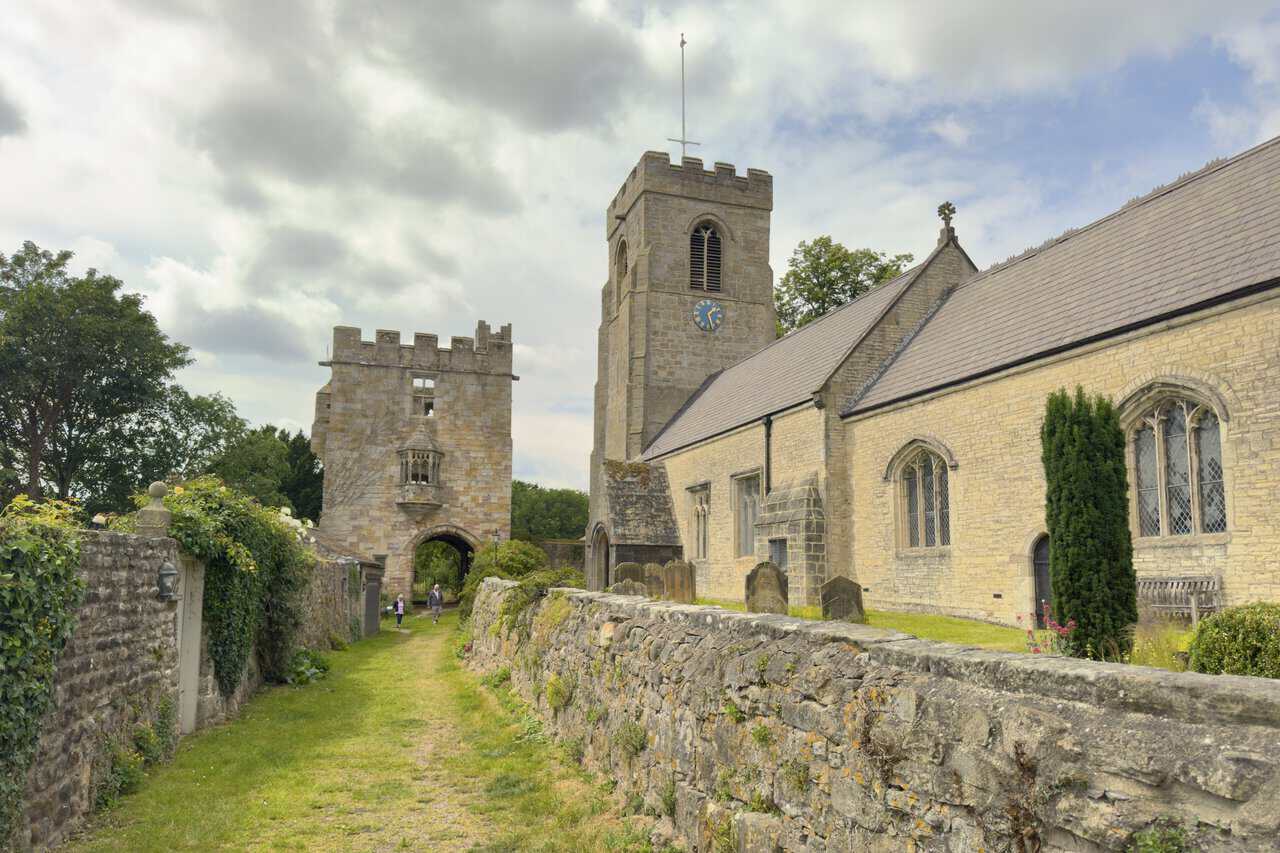
The Views and Riverside Scenery That Make This Richmond Walk Special
This walk has a bit of everything, taking in open countryside, ancient woodland and one of the loveliest stretches of the River Swale in North Yorkshire. Starting and finishing in the historic market town of Richmond, it follows part of Wainwright’s Coast to Coast Path out to Applegarth before descending to the river and looping back through Richmond. It then heads out to Easby and returns to the town, making a rewarding day out for anyone who enjoys history and scenery in equal measure.
The route begins in Richmond town centre and climbs gently up Westfields onto the Coast to Coast Path, heading west past Whitcliffe Farm and Whitecliffe Wood beneath the crags of Whitcliffe Scar. At Low Applegarth, it leaves the Coast to Coast and descends to the River Swale, following the riverside back towards Richmond by way of Round Howe and Hudswell Woods. From Green Bridge, it passes Richmond Falls, The Batts and Mercury Bridge before heading along the old railway line on the Easby Loop to Easby Abbey and St Agatha’s Church. It then returns through the town by way of the Market Place.
This figure-of-eight route first heads west to Applegarth, loops back to the town and then continues east to Easby Abbey. It begins and ends at Nuns Close Car Park in the town centre, a pay-and-display car park with toilet facilities. The terrain is varied, with tarmac lanes, stony tracks, grassy field paths and gravel woodland paths. The route includes gentle climbs and descents rather than anything too strenuous. There are opportunities to pause for refreshments at The Station or the Easby Loop café before the final stretch back into Richmond.
Richmond is a handsome market town set where Swaledale opens into the Vale of Mowbray, close to the eastern edge of the Yorkshire Dales National Park. It was founded in 1071 by Alan Rufus, a Breton nobleman, and takes its name from the Old French for ‘strong hill’. The town grew prosperous through the Swaledale wool trade and later lead mining, and much of its fine Georgian architecture dates from that period. At its heart lies one of the largest cobbled market places in England.
There is a great deal to enjoy along the way. The higher ground near Applegarth offers broad views south across the Swale valley towards Hudswell, while the riverside provides quiet, restful scenery beside the water. Other highlights include the Millennium bench with its Wainwright verse, the charming little memorial to a dog named Jane in the woods near Lownethwaite Farm, the ancient woodland around Round Howe and the tumbling limestone ledges of Richmond Falls. The historic highlights are the real treasures, from the restored Victorian station to the peaceful ruins of Easby Abbey, the medieval wall paintings in St Agatha’s Church and the legend of the Drummer Boy’s Stone.
If you enjoy walks that combine fine scenery with plenty of history, this circuit around Richmond is well worth adding to your list. You can read the full route directions, together with all my photographs and background information about the landmarks along the way, on the full walk page. I hope it inspires you to explore this lovely corner of North Yorkshire for yourself.
Visit https://www.paulbeal.com/richmond-walk
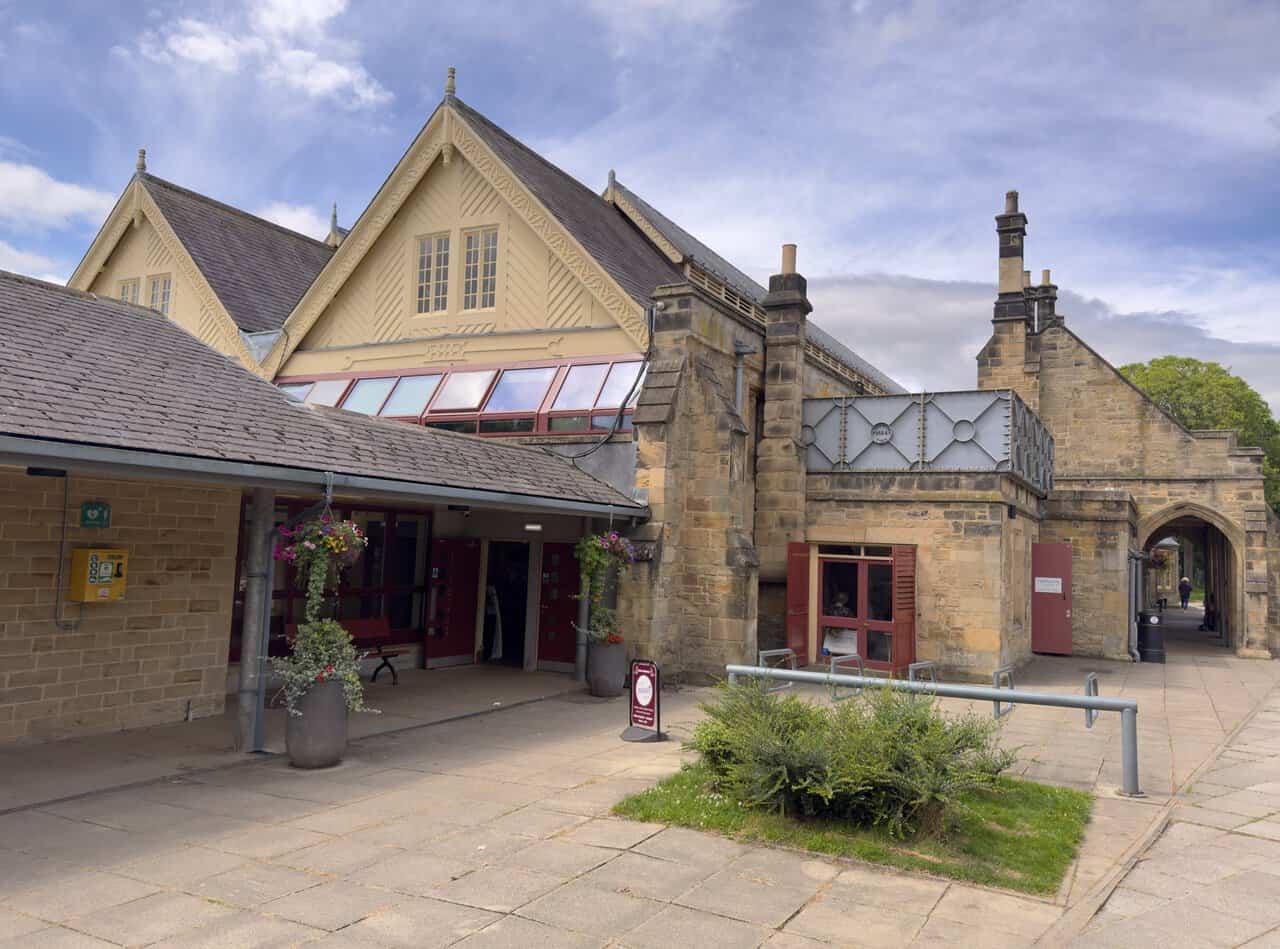
Ripon Cathedral to Fountains Abbey on a Scenic Ripon Walk Circular Route
This circular walk from the heart of Ripon links three of North Yorkshire’s great landmarks: the cathedral city itself, the deer park at Studley Royal and the Fountains Abbey estate, all tied together by the River Skell. It follows quiet riverside paths, open countryside and the freely accessible parkland of a World Heritage landscape. The route passes close to Fountains Abbey and the Studley Royal Water Garden, which are the ticketed part of the National Trust estate, but it keeps to the free, open paths and only glimpses the abbey from a distance, so the whole walk can be enjoyed without an admission charge.
The walk starts at the Cathedral Car Park in the centre of Ripon and drops down to Bondgate Bridge for a first look at the River Skell. It follows the river to Hell Wath Nature Reserve, then heads out past Whitcliffe Hall and onto the Ripon Rowel bridleway, entering Studley Royal Deer Park through the Seven Bridges Valley. After visiting The Lake, it climbs across Mackershaw Park and follows the ancient Abbey Wall, before returning by St Mary’s Church, Choristers’ House and a long avenue that lines up with Ripon Cathedral. From there, it passes through the village of Studley Roger and back along the Skell to the bridge and the cathedral where you began.
This is a circular route of about 10¼ miles, or 16½ kilometres, climbing around 223 metres, or 732 feet, and it takes roughly four and a half hours at a comfortable pace. The recommended map is Ordnance Survey Explorer 298, which covers Nidderdale. Parking is at the long-stay pay-and-display Cathedral Car Park in the city centre, where the charges were very reasonable at the time of writing.
Ripon is a cathedral city set where the rivers Laver and Skell meet before joining the Ure. It is the smallest city in Yorkshire and one of the smallest in England, yet it carries more than thirteen centuries of history. The settlement grew up around a church founded by Saint Wilfrid in the seventh century, and his Saxon crypt of 672 still survives beneath the cathedral. The city was once known for making spurs, so much so that fine steel was said to be as true as Ripon rowels, a name echoed by the Ripon Rowel route that this walk briefly follows.
There is a great deal to see along the way. Near the start, the route passes the T. and R. Williamson varnish works, established in 1775 and the oldest established varnish house in the United Kingdom. At Hell Wath Nature Reserve, you come across rusted silhouette soldiers that mark Ripon’s First World War story, on ground that was once part of the largest army camp in the country. The deer park brings the old stone bridges of the Seven Bridges Valley, the curious tower known as the Roman Monument or Devil’s Chimney, and The Lake, shaped as part of John Aislabie’s water garden. Later highlights include St Mary’s Church, a High Victorian masterpiece by William Burges, the nearby Choristers’ House and the grand Studley Great Gate, with the Fairy Steps and a final riverside stretch leading back to the cathedral.
It is a walk that fits a remarkable amount into a single day, from ancient crypt to glimpsed abbey and grand water garden. The full guide has detailed directions, a complete set of photographs and links to view and download the route, so you can follow every step with confidence. Take a look and start planning your own day out on this Ripon walk.
Visit https://www.paulbeal.com/ripon-walk
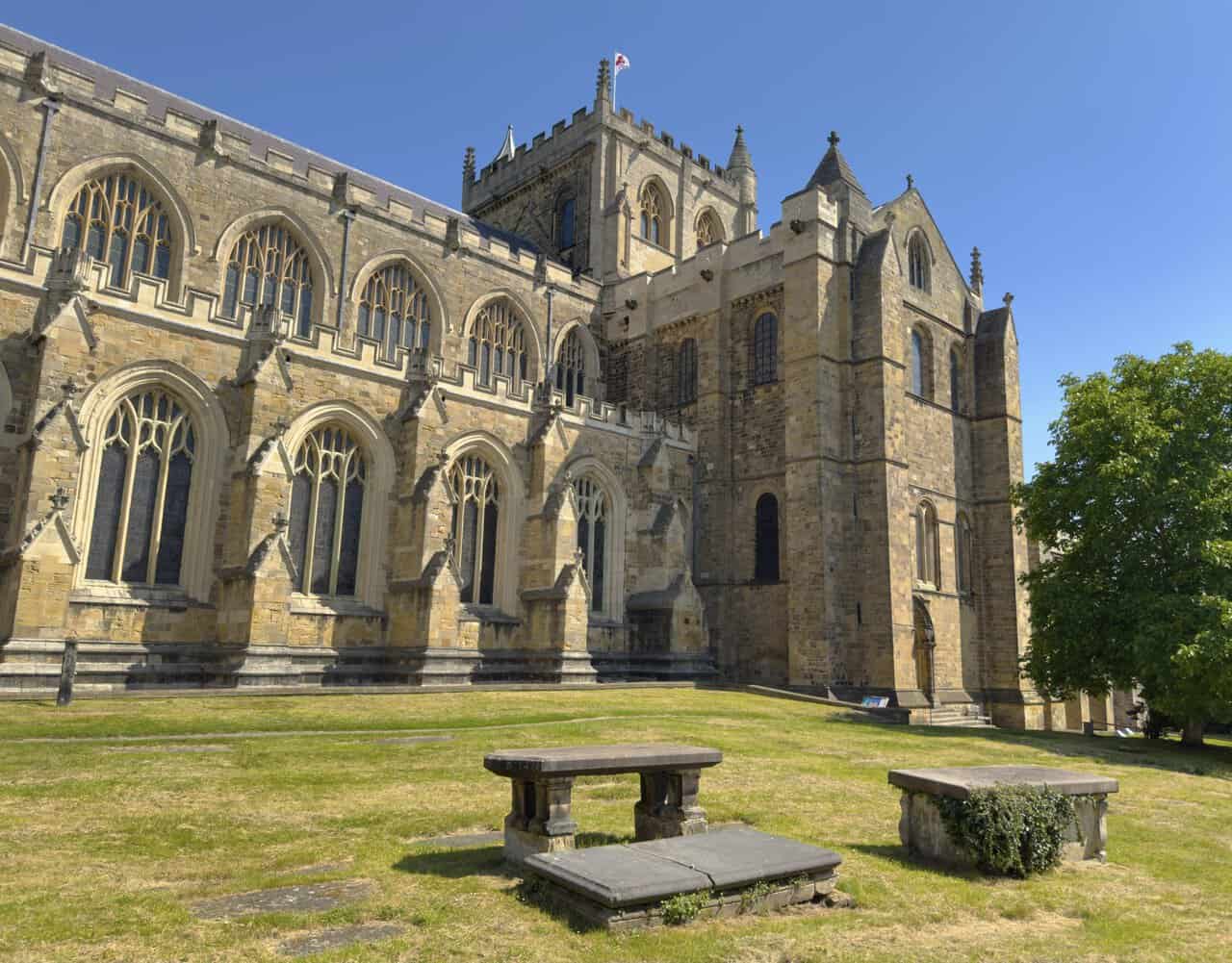
Following the Cleveland Way and the Cinder Track on This Whitby Walk
This circular walk along the North Yorkshire coast links two of the area’s best-loved paths into one rewarding day out. Starting and finishing at Robin Hood’s Bay, it follows the Cleveland Way clifftop path north to Whitby, then turns inland to return along the Cinder Track, the route of the old Scarborough to Whitby railway. It is a walk of two distinct halves: open sea cliffs on the way out and a gentle, level railway path on the way back, taking in some of the finest scenery and most interesting history this coast has to offer.
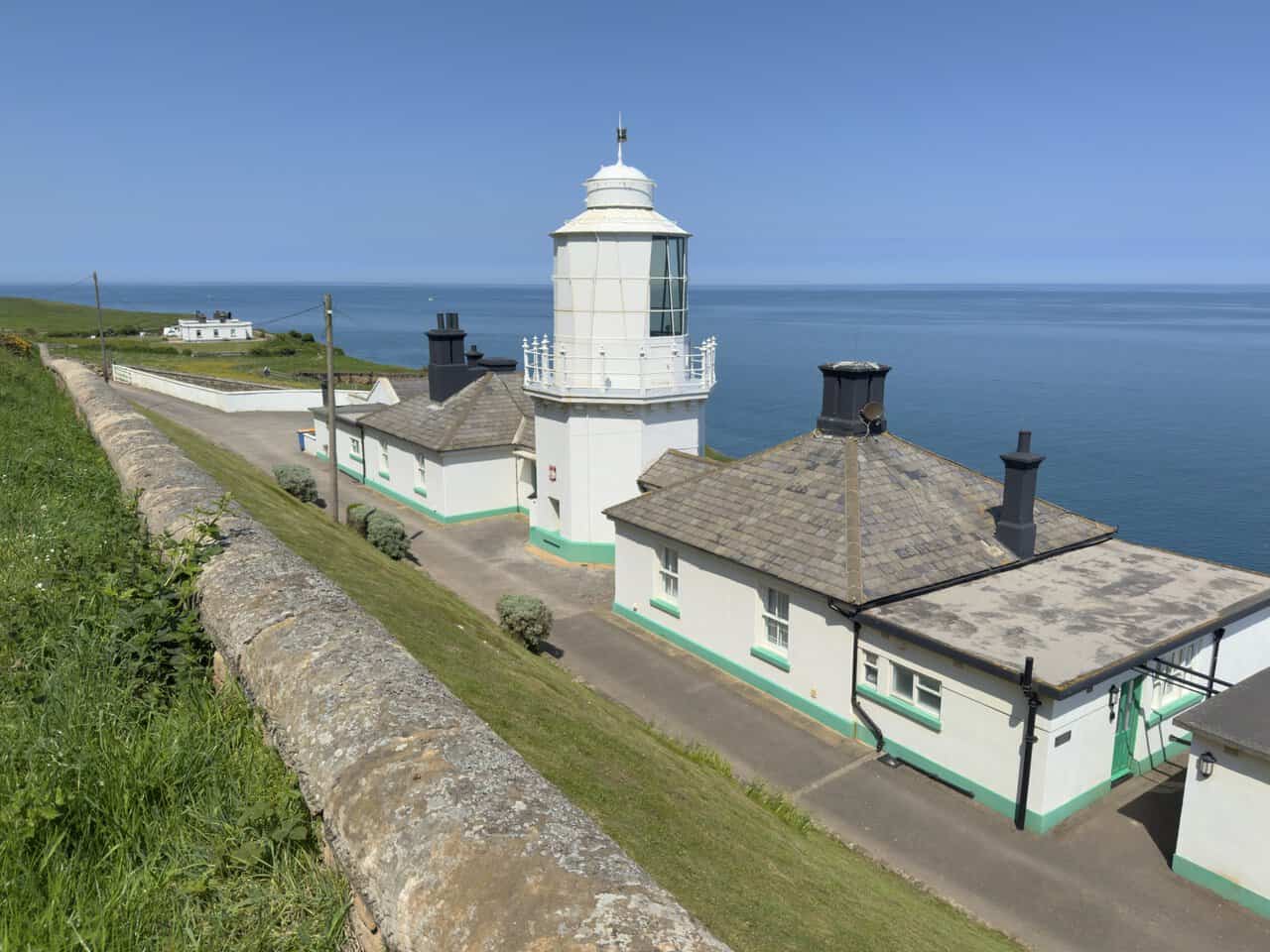
The walk begins at the Station Car Park in Robin Hood’s Bay and climbs to join the Cleveland Way, which also forms part of the King Charles III England Coast Path. Heading north along the clifftops, the route passes Rain Dale, Oakham Wood, Whitby Lighthouse on Ling Hill, the Whitby Fog Signal and Saltwick Bay before reaching Whitby Abbey, St Mary’s Church and the famous 199 Steps. After crossing Whitby Bridge and passing the marina, it picks up the Cinder Track at the far side of town and follows the old line south over Larpool Viaduct, through Hawsker and back to Robin Hood’s Bay.
The full route is a circular walk of 13¼ miles, or around 21 kilometres, with about 1450 feet of ascent and an estimated walking time of just over six hours. The recommended map is Ordnance Survey Explorer OL27, covering the eastern area of the North York Moors, and there is a long-stay pay-and-display car park with toilets at the start in Robin Hood’s Bay. The route is clear and well signposted throughout, and detailed mapping, along with a downloadable GPX file, is available through OS Maps and Outdooractive.
Whitby is a historic seaside town set where the North York Moors meet the sea at the mouth of the River Esk, and its harbour, piers and clifftop landmarks give it a strong maritime character. A monastery was founded on the headland in about 657 by Hild, and in 664 the Synod of Whitby helped settle how the date of Easter was calculated in the English Church. The town later grew through fishing, shipping, shipbuilding, whaling and local industries, with Whitby jet becoming especially fashionable in the nineteenth century. The arrival of the railway helped the town flourish as a visitor destination, and that heritage survives today in the Cinder Track, which forms a large part of this walk.
The walk is full of memorable moments. The Cleveland Way offers superb views back across Robin Hood’s Bay and along a coast dotted with curious old names such as Craze Naze, Clock Case Nab and Saltwick Nab, the last shaped by centuries of alum quarrying. Whitby Lighthouse and the fog signal, known locally as the Hawsker Bull, tell the story of how ships were guided safely past Whitby Rock, while the abbey ruins and St Mary’s Church, with its links to Captain Cook and Bram Stoker’s Dracula, crown the headland above the old town. The return leg crosses the impressive thirteen-arch Larpool Viaduct and follows the peaceful, tree-lined Cinder Track through Hawsker, ending with a final glorious view over the bay from a clifftop bench.
With its blend of dramatic coastline, fascinating history and easy railway walking, this is a route that rewards walkers from start to finish. If you would like to follow it for yourself, you will find full directions, route maps, statistics and a complete set of my photographs on the website.
Visit https://www.paulbeal.com/whitby-walk
Discover Picturesque Yorkshire Dales Scenery Along This Hebden Circular Walk
At just under five miles with easy terrain, this Hebden circular walk is well suited to beginners and families looking for a relaxed morning or afternoon in the Yorkshire Dales. Starting from the village of Hebden, the route takes in the wildflower meadows of the Grassington Park Estate and the cobbled streets of Grassington, before dropping down to the limestone cascades of Linton Falls and a peaceful riverside stretch along the Dales Way beside the River Wharfe.
The walk sets off from Main Street in Hebden, heading west past the Clarendon Hotel before joining a footpath signposted to Grassington via High Lane. The route crosses Grassington Park Estate Meadows, follows High Lane, and drops gently down into Grassington itself. After passing through the cobbled market square, the path leads on to Linton Falls and the Dales Way alongside the River Wharfe. A pleasant riverside stretch brings walkers to Hebden Suspension Bridge, with the final leg following a quiet valley footpath back to Main Street.
The route covers 4¾ miles, or 7½ kilometres, with an ascent of 439 feet, and takes around 2¼ hours to complete. The recommended map is OS Explorer OL2, covering the Southern and Western Area of the Yorkshire Dales. Roadside parking is available on Main Street in Hebden, opposite Green Terrace or near The Old School Tea Room.
Hebden is a small village in North Yorkshire, tucked into Wharfedale within the Yorkshire Dales National Park and sitting near Grimwith Reservoir, just under two miles east of Grassington. Its history reaches back thousands of years, with Bronze Age stone circles on the surrounding moors and a hoard of 33 Roman silver coins discovered in a local field. The village grew during the 19th century into a busy industrial community thanks to lead mining and a textile mill built in 1792. Today, it is a quiet conservation area, with Hebden Suspension Bridge and St Peter’s Church among its most recognisable landmarks.
Along the way on this Hebden circular walk, walkers pass the ivy-clad Clarendon Hotel, dating back to 1753, before crossing the wildflower-rich Grassington Park Estate Meadows, a Site of Special Scientific Interest home to more than fifty plant species. The flagged stone path offers sweeping views towards Barden Moor, while Grassington itself has cobbled streets, independent shops and The Devonshire, recognisable as The Drovers Arms from All Creatures Great and Small. Linton Falls is another highlight, where the River Wharfe tumbles through limestone channels carved deep into the bedrock. The final stretch returns through a peaceful valley to The Old School Tea Room, ideal for finishing the day with a cuppa.
If this sounds like your kind of day out, you will find the full Hebden circular walk guide on my website, complete with step-by-step directions, photographs, map links and all the practical details needed to plan your visit. Happy walking!
Visit https://www.paulbeal.com/hebden-circular-walk